
Michigan, the Midwest’s best-kept secret, is truly an outdoor lover’s paradise. This often underrated state, located in the Great Lakes region near the Canadian border, offers lakes, dunes, islands, rock formations, mountains, and plenty of waterfalls. In this 7-day Michigan road trip itinerary, I cover some of the most popular outdoor things to do in the state, including must-see natural attractions, scenic hiking trails, and campgrounds. Because I am traveling with my furry companion, this itinerary focuses on dog-friendly destinations. This packed road trip takes you from Michigan’s Lower Peninsula all the way to the Upper Peninsula.
I don't gatekeep good travel finds — I only share places and resources I genuinely use and love. This post may feature affiliate links, which means I may earn a small commission if you make a purchase at no extra cost to you. It helps me keep creating free travel resources on Curious Wanderess. Thank you for supporting my work, the occasional glass of wine, and Loki’s snack fund.
Michigan road trip map by day
Below you will find an itinerary map listing all destinations and places of interest covered in this guide. You’ll find scenic viewpoints, hiking trails, camping spots, and more to help you navigate Michigan. Click on the larger version of the map to explore the itinerary in detail.
Day 1: Arrive at Sleeping Bear Dunes National Lakeshore
Arrive at Sleeping Bear Dunes National Lakeshore. Whether you are flying or driving, give yourself plenty of time to reach your destination.
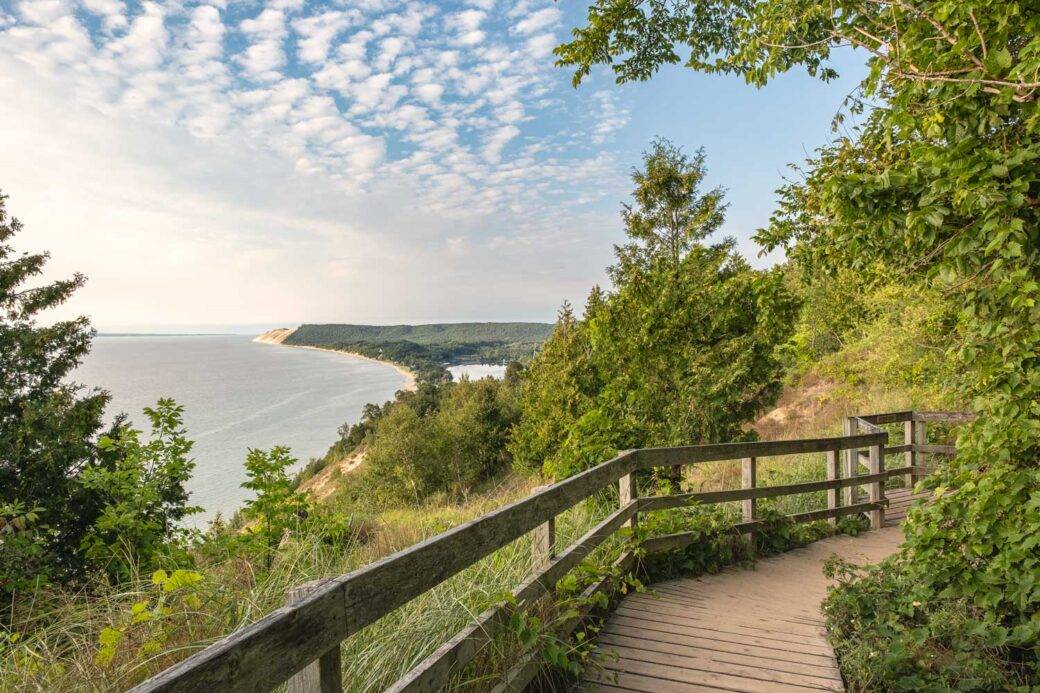
After checking into your accommodation, head out for a short hike to stretch your legs. I recommend the 1.5-mile Empire Bluff Trail. Wander through beech-maple forests, admire the wildflowers, and enjoy beautiful views of Lake Michigan. This is also a fantastic spot to catch the sunset.
Another great sunset viewpoint that does not require hiking is the Pierce Stocking Scenic Drive Overlook.
Where to stay (Days 1 and 2)
Sleeping Bear Dunes National Lakeshore offers several camping options:
- Platte River Campground – modern campground with restrooms and hookups
- D.H. Day Campground – rustic campground in a wooded setting
- Manitou Islands – backcountry camping
If camping isn’t for you, you will find plenty of accommodation options nearby in Traverse City.
Day 2: Explore Sleeping Bear Dunes National Lakeshore and Surrounding Areas
Explore the dunes
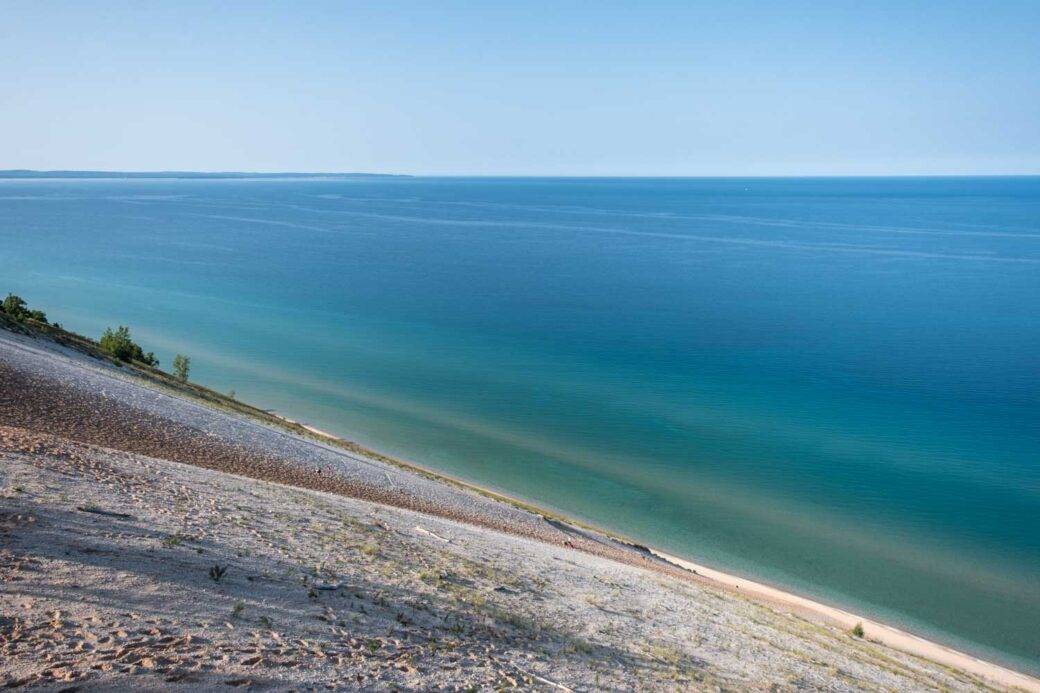
Start the day with Pierce Stocking Scenic Drive, a 7.4-mile one-way scenic route that takes you to several overlooks, including views of Glen Lake, Sleeping Bear Dunes, and Lake Michigan.
Next, head out for a hike.
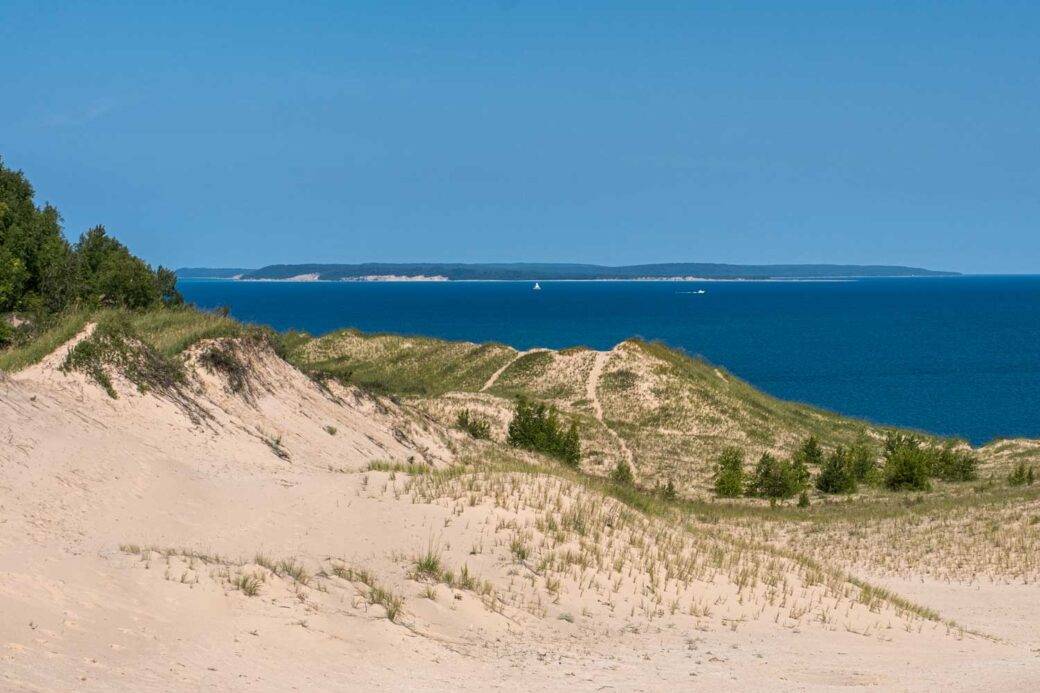
One of the best options is the Sleeping Bear Point Trail, a 2.5-mile loop where you can climb dunes and admire views of Lake Michigan, Platte Bay, and the Manitou Islands. The trail is mostly exposed, offering sweeping views almost the entire time, except for a short forested section.
Bring plenty of water, take your time to enjoy the scenery, and remember—you are hiking on sand, so be prepared for a workout.
Another great option is the Pyramid Point Loop, another 2.5-mile trail that winds through the forest before opening up to spectacular views of Lake Michigan and the Manitou Islands. If you’re looking for a challenge, you can hike down to the beach—but keep in mind that you will need to climb back up to the trail.
Along the way, you’ll also pass dune “blowouts,” large open areas where the sand has shifted and created dramatic views of the surrounding landscape.
Please make sure to check for trails closed to pets in certain months of the year on the Sleeping Bear Dunes National Lakeshore website.
Explore the surrounding towns
If you develop an appetite while hiking, stop in the charming town of Glen Arbor for coffee, ice cream, or a bite to eat. It’s also a nice place to browse small boutiques and local shops.
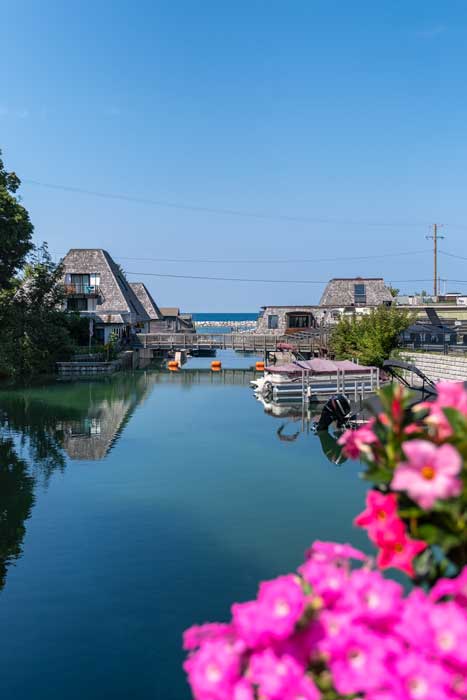
Another option is to visit Leland’s historic fish town. Here you can learn about the area’s fishing heritage through interpretive signs, grab a bite at the popular Cove restaurant, shop for souvenirs, and take photos of the historic shanties.
Afterward, consider relaxing at one of the wineries on Leelanau Peninsula or Mission Peninsula, both known for their beautiful views and vineyard settings.
Keep in mind that Midwestern wines tend to be slightly sweeter than wines from other regions, in case that is not your preference. Most wineries offer tastings, some have restaurants, and many do not require reservations. They typically close around 6 PM.


Day 3: Visit Mackinac Island
Head toward Mackinac Island, a small island known for its famous fudge and its ban on cars. The island can only be explored on foot, by bike, or by horse-drawn carriage. It will take about three hours to reach the ferry docks.
You can catch a ferry to Mackinac Island from Mackinac City or St. Ignace. Two ferry companies operate routes to the island: Star Line and Shepler’s. Be sure to check their websites for current schedules.
If you’d like to stretch your legs or grab a coffee along the way, I recommend stopping in Harbor Springs or at Cross Village Park. The 28-mile section of M-119 between Harbor Springs and Cross Village is known as the Tunnel of Trees, a scenic drive worth taking if you have time.
Other towns you’ll pass on the way include Charlevoix and Petoskey, both great places for a quick stop during the drive.
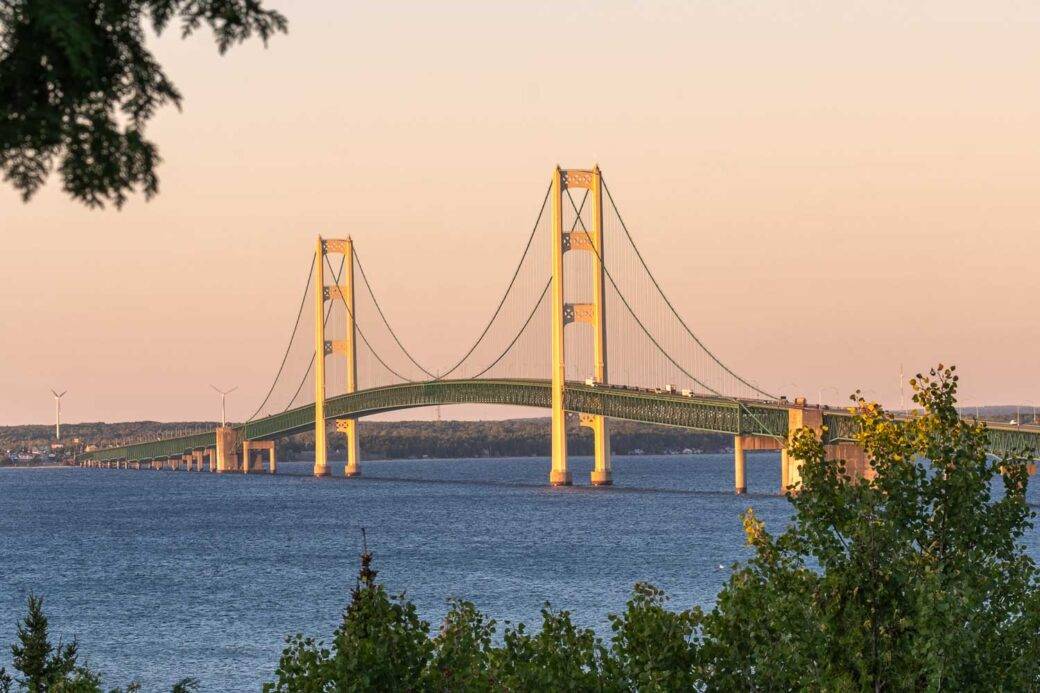
On your way north, you will cross the Mackinac Bridge, which connects Michigan’s Lower and Upper Peninsulas. The view from the bridge is impressive, and if you want a closer look, there is an overlook in Straits State Park. You can even camp in the park right near the bridge.
Some ferry routes also offer excursions that pass near the bridge, giving you another perspective of this iconic structure.
Things to do on Mackinac Island
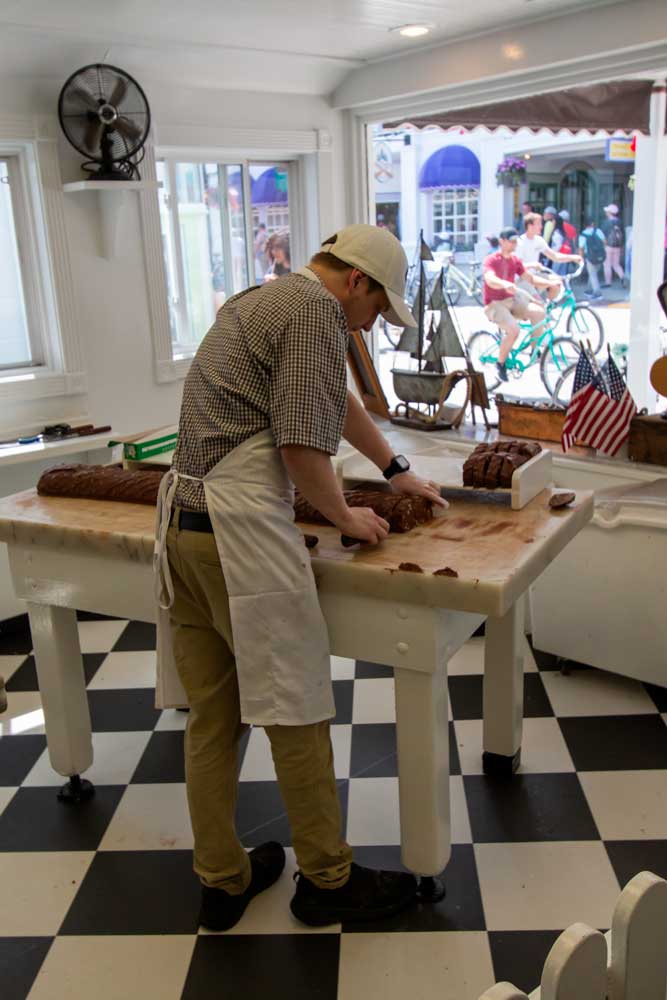
- Eat all the fudge. Mackinac Island is famous for its fudge, and there are several shops where you can sample different flavors and watch how it’s made.
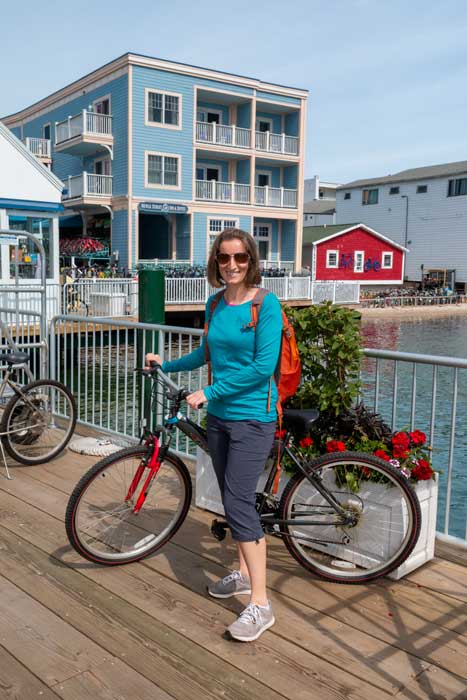
- Bike around the island. One of the best ways to explore Mackinac Island is by bike. The most popular route is M-185, an 8.2-mile loop that circles the entire island along the shoreline.
- Take a carriage tour. Narrated carriage tours take visitors to many of the island’s most popular attractions while sharing the island’s history along the way.
- Visit the Grand Hotel. You can stay here, dine here, or simply tour the property and admire its historic architecture.
- Explore Fort Mackinac and Fort Holmes. These historic forts offer insight into the island’s military history and provide beautiful views of the surrounding area.
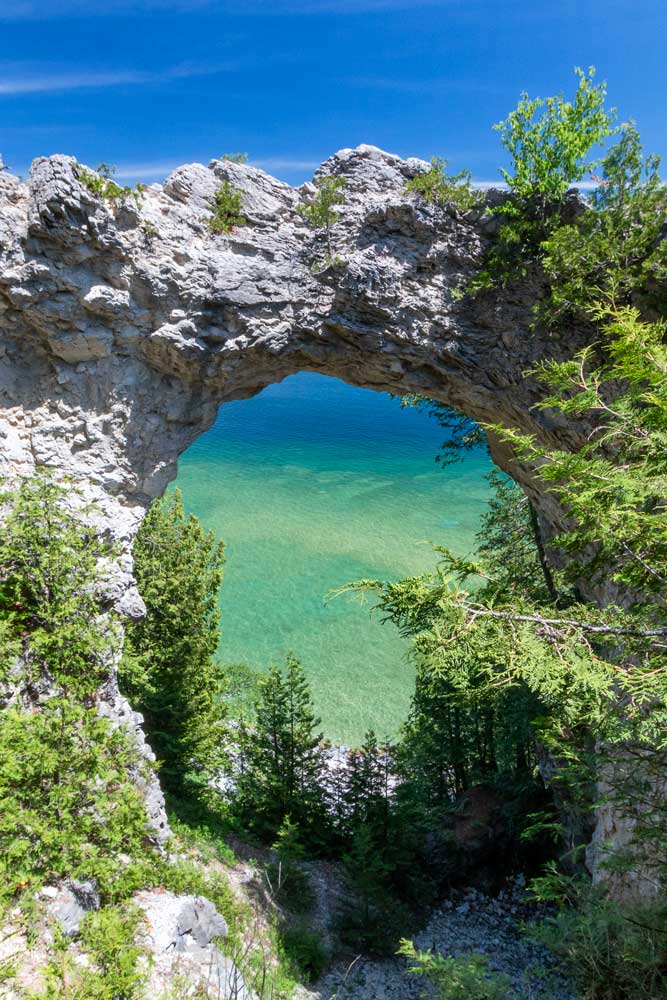
- Go hiking. I recommend the Fort Holmes Loop, a 2.4-mile trail that passes several of the island’s highlights, including both forts, limestone rock formations, and beautiful historic homes along East Bluff.
Read more:
Where to stay (Day 3)
If you enjoy camping, I recommend Straits State Park. It is close to Mackinac Island and overlooks the bridge.
If you prefer comfort, there is plenty of accommodation in St. Ignace or Mackinac Island. If you choose to stay on Mackinac Island, book your reservations early.
Day 4: See Tahquamenon Falls and Ride a Raft at Kitch-iti-Kipi
Tahquamenon Falls State Park
Drive toward Tahquamenon Falls State Park, about 1.5 hours from Mackinac Island ferry docks.
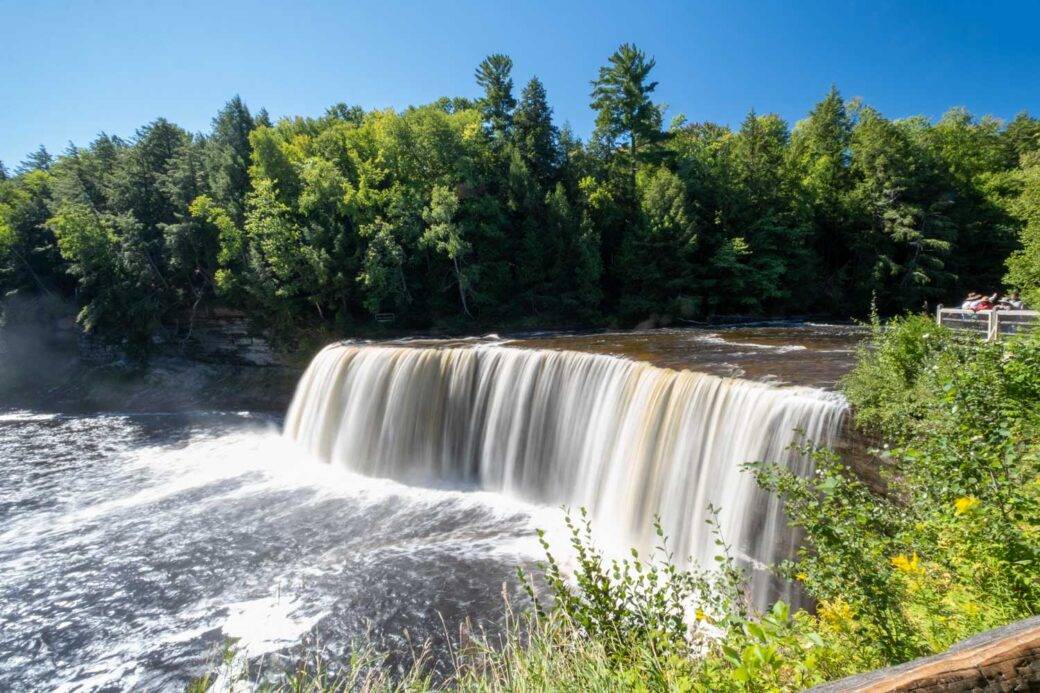
The park’s biggest attraction is Tahquamenon Falls, one of the largest waterfalls east of the Mississippi River. The falls are divided into Upper Falls and Lower Falls.
Start with the Upper Falls Loop, a 1.5-mile paved trail leading to several overlooks of the impressive Upper Falls. For a closer look, take the 94 stairs down to the river level. From there, you can continue another 116 steps to the Gorge Viewing Platform, where you’ll see the falls from a different perspective.
If you’re lucky, you might even spot wildlife. During my visit, I saw three otters playing in the river.
If you get hungry, the Tahquamenon Falls Brewery & Pub is conveniently located near the parking lot. Otherwise, there are several picnic tables nearby if you packed lunch.
Next, head to the Lower Tahquamenon Falls Trail. This 3.2-mile loop takes you through the forest to several viewing platforms and a small island where you can get close to the waterfalls and truly feel their power.
Kitch-iti-Kipi (The Big Spring)
After visiting the falls, drive about two hours to Palms Book State Park near Manistique.
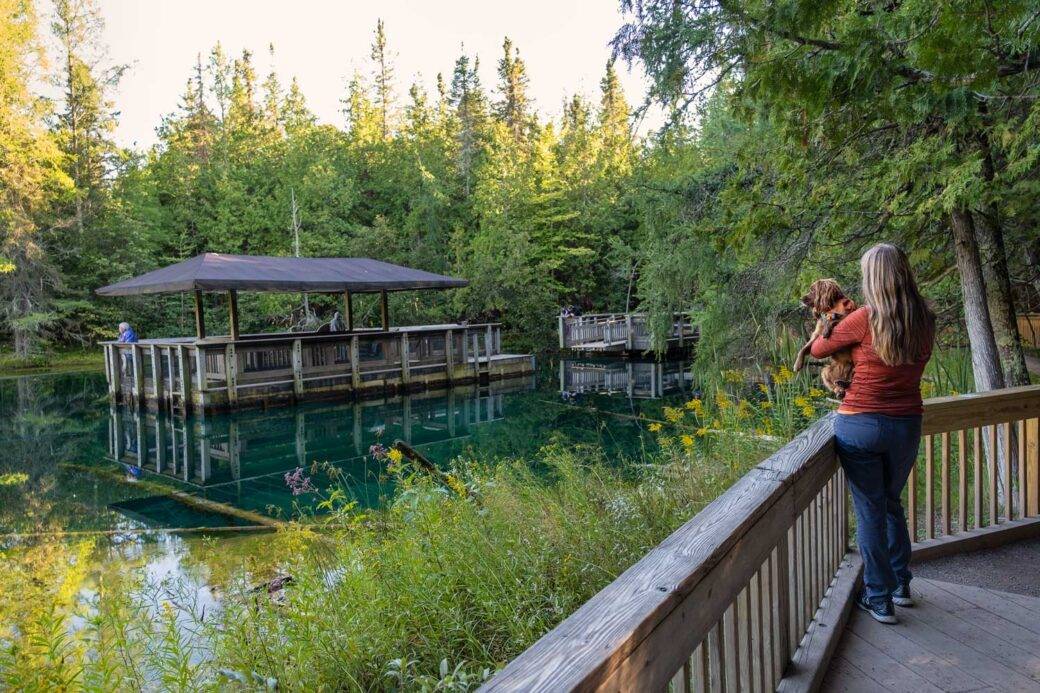
Here you’ll find Kitch-iti-Kipi, also known as the Big Spring, Michigan’s largest natural freshwater spring. The spring is 45 feet deep and over 200 feet across, with water flowing at a rate of more than 10,000 gallons per minute. Because the water temperature stays around 45°F year-round, the spring never freezes.
One of the most popular attractions here is riding across the spring on a self-operated raft with a glass viewing panel. Through the crystal-clear water, you can see trout swimming below, fallen tree trunks, and clouds of sand swirling from the bubbling spring.
It’s a unique experience and well worth the wait in line.
The raft is wheelchair accessible and dog-friendly.
After visiting the spring, drive about one hour to Munising, which will be your base for exploring Pictured Rocks National Lakeshore the next day.
Where to stay (Days 4 and 5)
Pictured Rocks National Lakeshore offers three rustic campgrounds, although Little Beaver Lake Campground does not allow dogs.
If you prefer modern amenities and hookups, I recommend Munising Tourist Park Campground. Otherwise, Munising has plenty of hotels and cabins if you’re looking for more comfort.
Day 5: Explore Pictured Rocks National Lakeshore
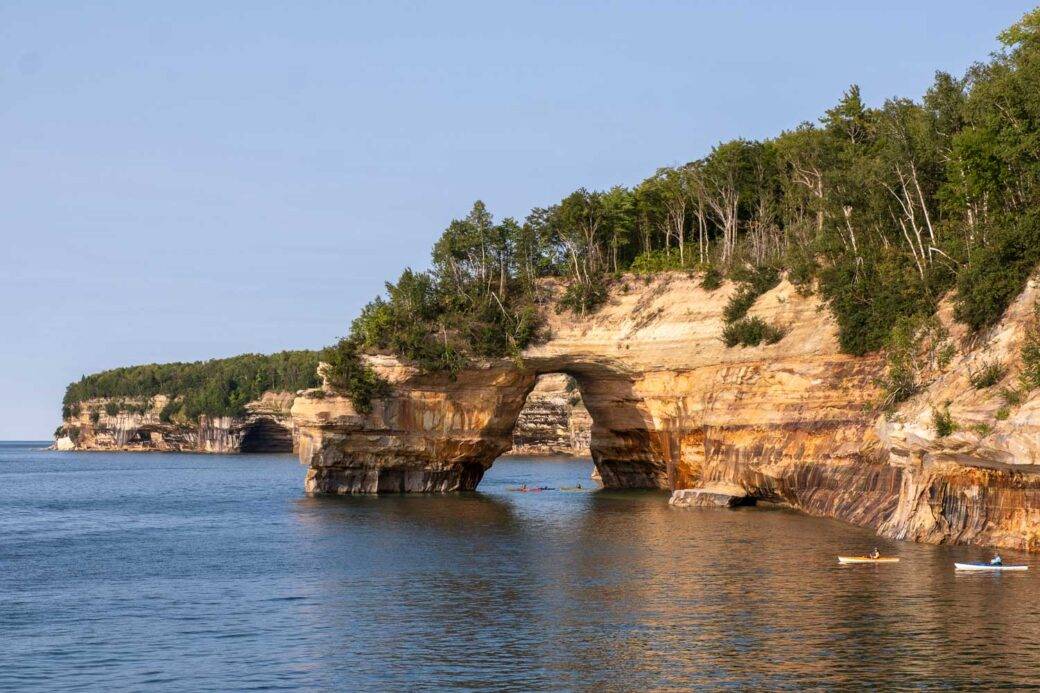
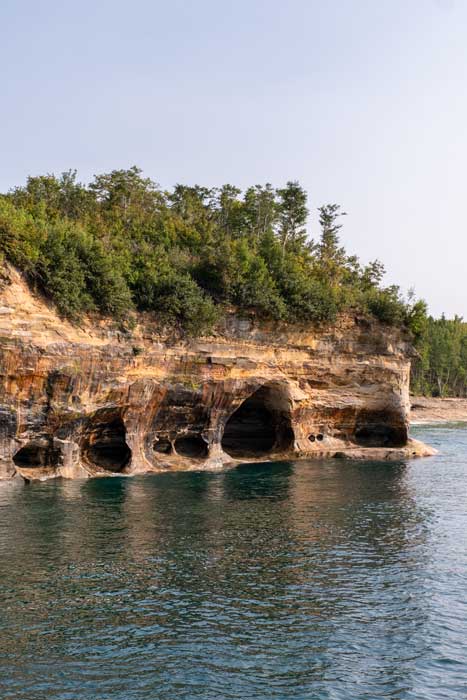
Pictured Rocks National Lakeshore offers incredible scenery, including cliffs, waterfalls, hiking trails, and scenic overlooks.
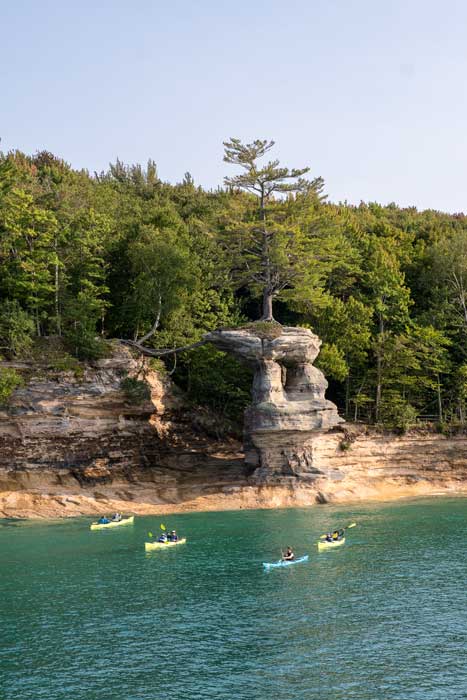
The best way to appreciate its beauty is from Lake Superior, so I recommend exploring Pictured Rocks from land in the morning and from the water in the afternoon.
Pictured Rocks via land
If you’re traveling with a dog, keep in mind that only certain trails, overlooks, and beaches allow dogs, and these trails tend to be shorter.
Here are a few dog-friendly options:
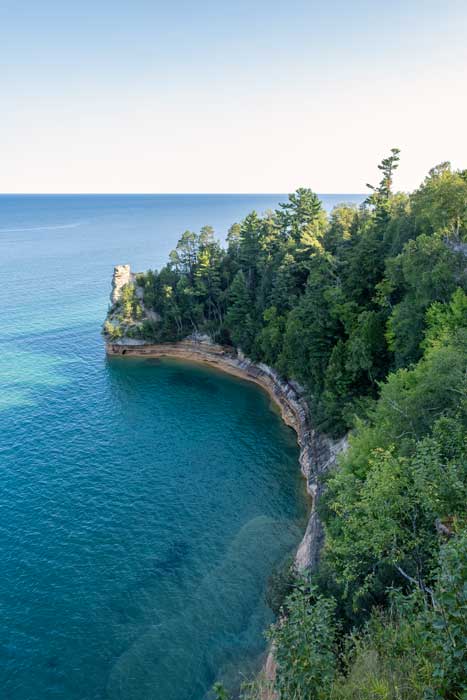
- Miners Castle Overlook. A short 0.5-mile trail leads to the iconic Miners Castle overlook. Be sure to also visit nearby Miners Beach.
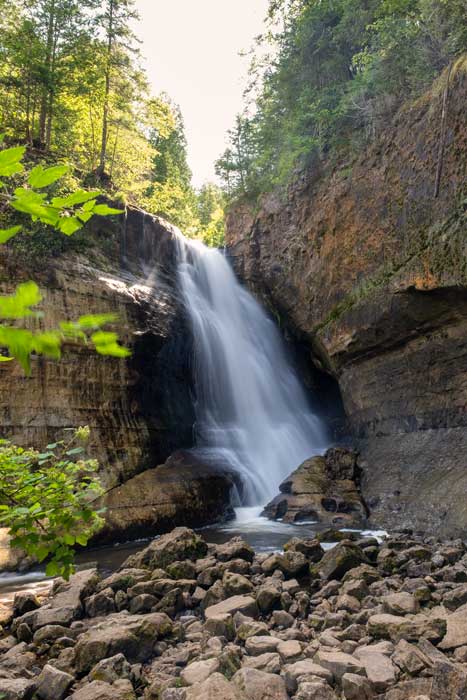
- Miners Falls Trail. A 1.2-mile forest trail that leads to a viewing platform overlooking Miners Falls. You can also climb down a short, unofficial path for a closer view.
- Munising Falls Trail. A 0.4-mile paved trail that leads to the waterfall, with steps that allow you to see it from multiple angles.
- Sable Falls Trail. A 0.6-mile trail leading along a creek to Lake Superior, passing two overlooks of Sable Falls along the way.
- Au Sable Light Station Trail. An easy 3.1-mile hike to a historic lighthouse with beautiful views of Lake Superior.
For a full list of pet-friendly areas, check the Pictured Rocks National Lakeshore website.
Pictured Rocks via water
Spend the afternoon exploring Pictured Rocks from Lake Superior.
The cliffs face west, which means they are often shaded in the morning but beautifully illuminated in the afternoon and during sunset.
Here are a few ways to experience the shoreline from the water:
- Kayaking. If you want to get up close to the cliffs, caves, and waterfalls, kayaking is the best option. You can explore on your own or join a guided tour. Tours typically run from Memorial Day weekend through Labor Day.
- Pontoon rentals. Renting a pontoon allows you to explore at your own pace without crowds.
- Pictured Rocks cruises. A 2–3 hour boat tour that takes you past the major rock formations all the way to Spray Falls, with narration about the area’s history and geology.
Kayaks and pontoons are dog-friendly, but boat cruises typically allow only trained service animals.
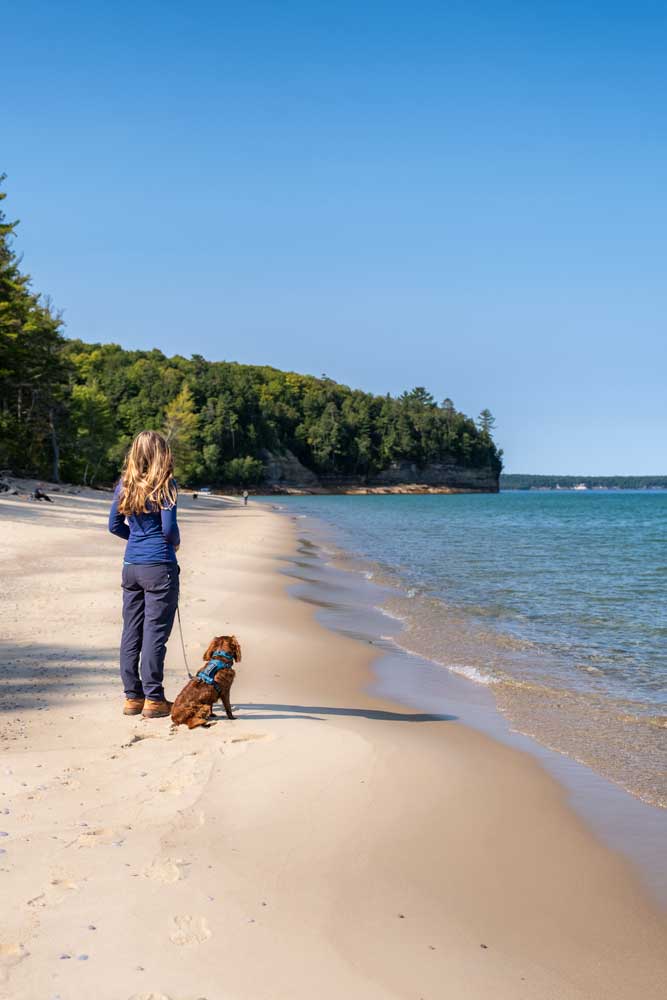
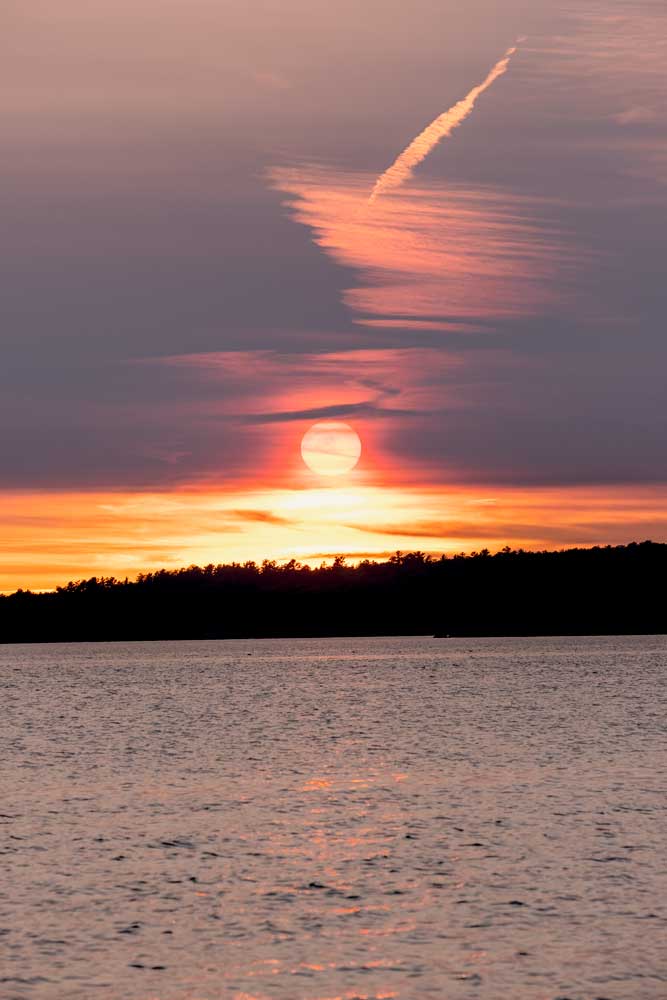
If you’re not taking a sunset cruise, I recommend catching sunset at Sand Point Beach, a dog-friendly beach near Munising.
Day 6: Drive Through the Keweenaw Peninsula to the Porcupine Mountains
In the morning, start your drive toward the Porcupine Mountains Wilderness State Park. I recommend taking a scenic route through the Keweenaw Peninsula, which offers waterfalls, overlooks, and beautiful Lake Superior views.
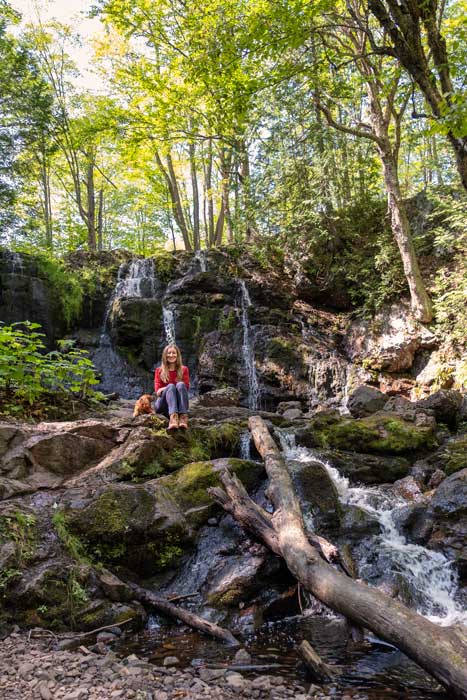
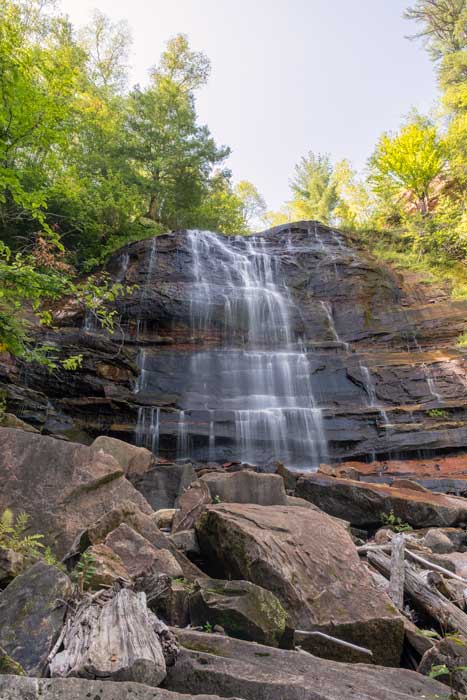
Make your first stop at Hungarian Falls. Unlike many waterfalls in the area, you’ll need to hike to reach these falls, making it a great opportunity to stretch your legs.
Hungarian Falls consists of three waterfalls: Upper Falls, Middle Falls, and Lower Falls. The Upper Falls are the easiest to access, while the Lower Falls are the most dramatic but require a steep descent using a rope.
There is no formal parking lot, so you’ll need to park along Golf Course Road near the trailhead.
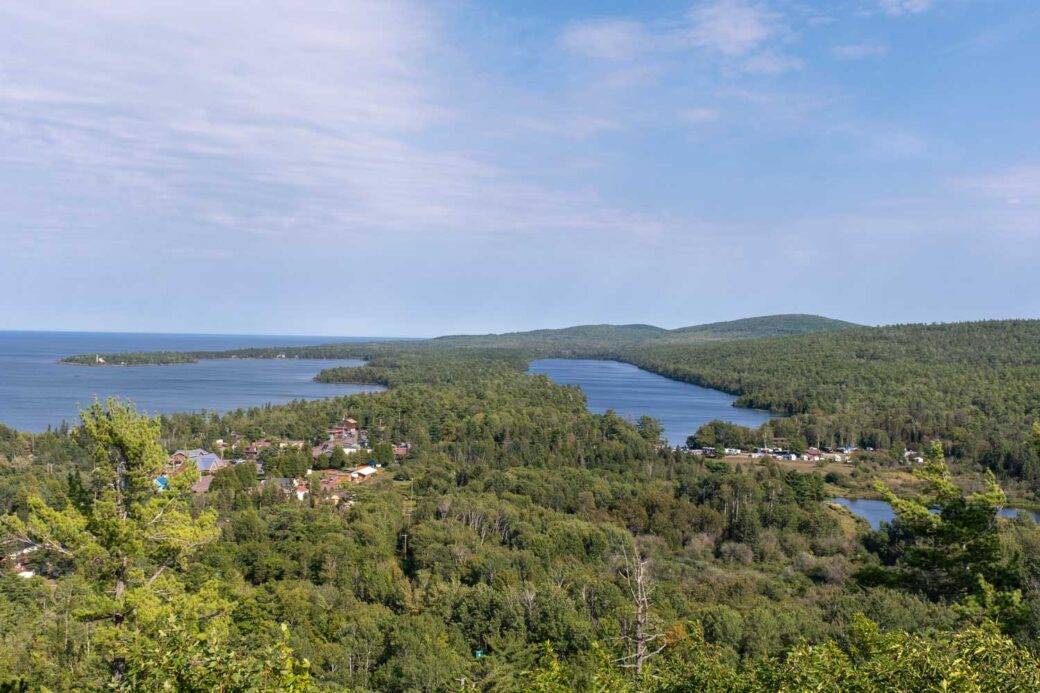
If you continue exploring the peninsula, head toward Copper Harbor and drive the scenic Brockway Mountain Drive. Stop at the Brockway Mountain Overlook for sweeping views of Lake Superior and the Keweenaw Peninsula.
Other stops along the way include:
- Copper Harbor Lighthouse
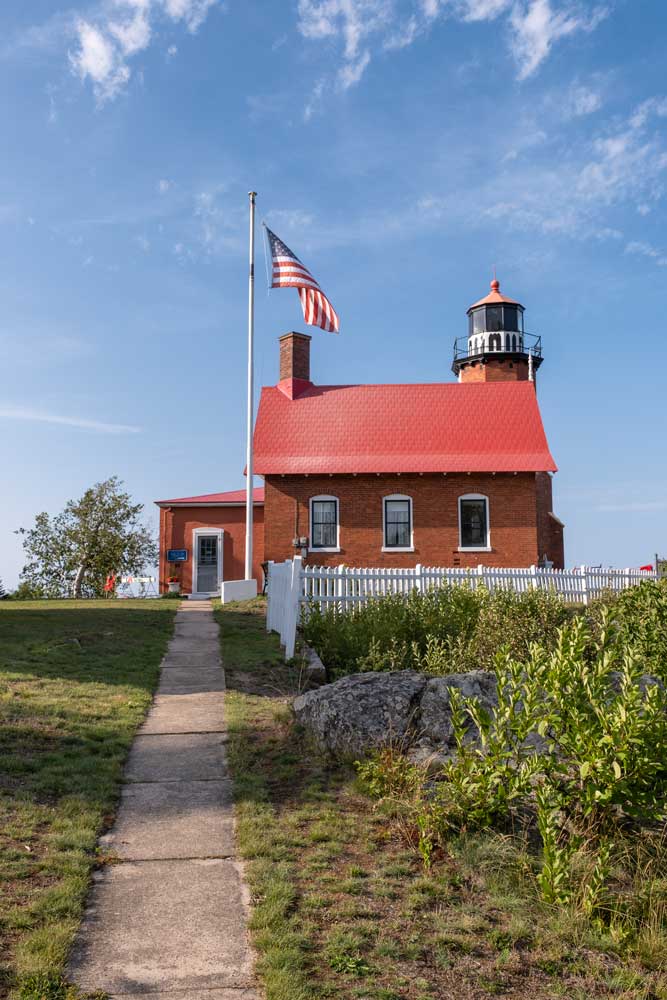
- Eagle Harbor Lighthouse
- George Hite Dunes and Marshes Preserve
- The Jampot, famous for its baked goods and jams
You can also stop at roadside waterfalls like Jacob’s Falls or Eagle River Falls, though water flow varies depending on the season.
Where to stay (Days 6 and 7)
Spend the night near the Porcupine Mountains.
The park offers primitive campsites only, but nearby towns like Ontonagon offer campgrounds with hookups as well as hotels and cabins.
Day 7: Hike the Porcupine Mountains
The Porcupine Mountains, often called the “Porkies,” are a must-visit destination for outdoor lovers.
At nearly 60,000 acres, this is Michigan’s largest state park and offers a true wilderness experience.
Because the park has only two main roads, attractions are spread out, so it helps to plan your visit.
If you only have one day, here are some must-see highlights:
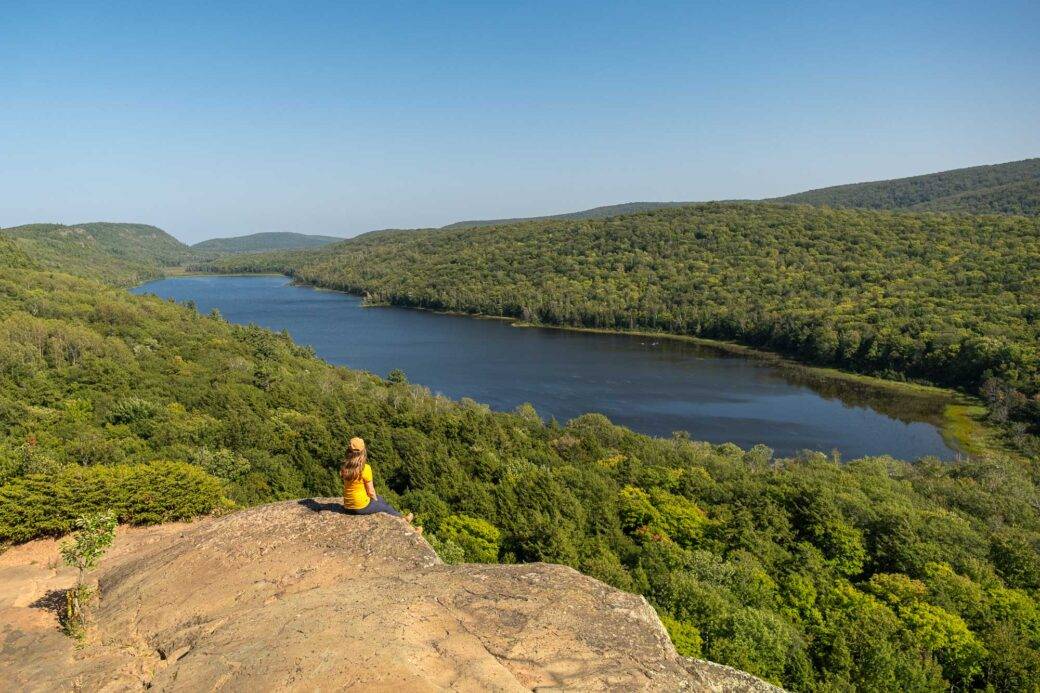
- Lake of the Clouds. The most famous viewpoint in the park, offering incredible views of Lake of the Clouds surrounded by layers of forested mountains. You can access the overlook directly from a parking lot or hike the 8.4-mile Escarpment Trail, which offers multiple scenic viewpoints.
- Summit Peak. At 1,958 feet, this is the highest point in the park. A short half-mile trail leads from the parking lot to an observation tower with panoramic views.
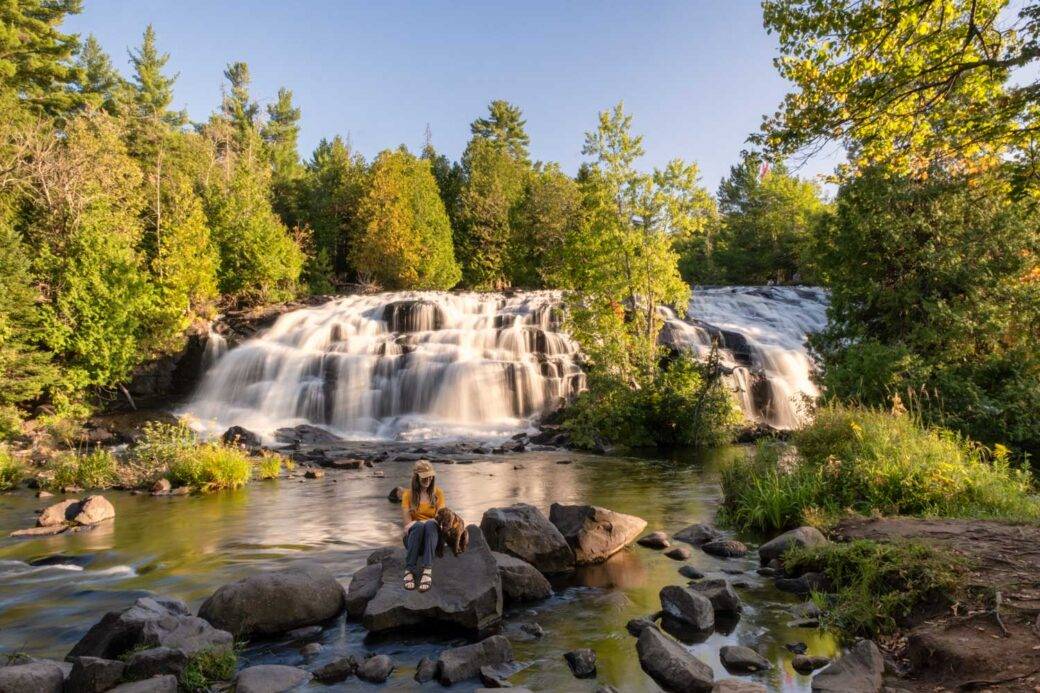
- Presque Isle River. Home to the park’s largest waterfalls. The 1.3-mile Presque Isle Falls Loop takes you to three impressive waterfalls: Manabezho Falls, Manido Falls, and Nawadaha Falls.
PRO TIP. Entering the Porkies means entering wilderness. Cell service in the Porcupine Mountains is extremely limited. Download maps for offline navigation before entering the park, or grab a paper map at the entrance. Also, bring cash, especially if you enter through the Union Bay entrance.
Frequently Asked Questions about Michigan
Are Michigan’s outdoor attractions free to enter?
Unfortunately, most outdoor attractions in Michigan are not free. Both state parks and national lakeshores charge entrance fees.
State Parks
If you plan to spend several days visiting Michigan state parks, purchasing an annual Recreation Passport may be the most economical option. Otherwise, you can purchase a daily pass, which is valid for one day.
If you are camping at a state park and arrive late in the evening, the pass you purchase will typically remain valid for the following day as well. Day passes are not tied to a specific park, meaning they can be used at any Michigan state park on the same day.
You can usually purchase passes at the park entrance. For more details, refer to the official Michigan State Parks website.
National Lakeshores
Both Sleeping Bear Dunes National Lakeshore and Pictured Rocks National Lakeshore charge separate entrance fees.
Passes can be purchased at visitor centers, campgrounds, or 24/7 self-service kiosks. Fees vary depending on the location.
If you hold an America the Beautiful Pass, you will not need to pay additional entrance fees.
When is the best time to plan a Michigan road trip for outdoor activities?
The best time to explore Michigan’s outdoor attractions is late spring through early fall (May–October).
Summer offers the best conditions for hiking, camping, kayaking, and backpacking, while fall brings beautiful foliage and fewer crowds.
I do not recommend following this exact itinerary in winter, as some roads in the Upper Peninsula may be inaccessible due to snow.
How much time do you need to explore Michigan’s main outdoor attractions?
Seven days is enough to see many of Michigan’s highlights, but it makes for a fairly packed itinerary with a lot of driving.
In several places, I found myself wishing I had more time. If your schedule allows, 10 days would be an ideal timeframe to explore Michigan more comfortably.
A few places where you could easily spend extra time include:
- Mackinac Island
- Pictured Rocks National Lakeshore
- Porcupine Mountains Wilderness State Park
There are also many charming small towns in the Lower Peninsula, as well as the Petoskey wine region, which is a lovely place to slow down and relax.
Backpackers may want to consider additional destinations such as:
- Manitou Islands in Sleeping Bear Dunes National Lakeshore
- Pictured Rocks National Lakeshore backcountry trails
- Porcupine Mountains Wilderness State Park
- Isle Royale National Park, located farther north in Lake Superior near the Canadian border
Is Michigan dog-friendly?
Yes — for the most part, Michigan is very dog-friendly.
Dogs are allowed on most hiking trails and campgrounds in Michigan state parks. They are also allowed in national lakeshores, although there are more restrictions on certain trails and backcountry areas.
Always check trail regulations in advance to confirm where dogs are permitted.
Overall
Michigan was an impromptu trip for me, and I was pleasantly surprised by the incredible variety of outdoor attractions the state has to offer. From towering sand dunes and rugged Lake Superior cliffs to waterfalls and scenic wilderness parks, Michigan is truly a fantastic destination for outdoor lovers.
I hope this 7-day Michigan road trip itinerary helps you plan your own adventure. Let me know which destination you’re most excited to visit first! And as always, feel free to reach out if you have any questions.
No comments