
As a first-time dog mom, I had no idea what gear I actually needed to start hiking with my dog. Over time, I’ve figured out what’s worth packing, what I forgot to bring, and what just ends up sitting at the bottom of my backpack.
When I started hiking with my dog, Loki, I also realized there were hundreds of options for every piece of gear. Which harness is actually good? Do I need boots? Is a cooling vest worth it? I spent way too much time reading reviews and buying things that didn’t always work for us. This packing guide is the complete dog hiking checklist I wish I had when we started. Along with what to pack, I’ll also share the gear I personally use, why I chose it, and where I think it’s worth spending a little extra money.
I also love supporting small businesses whenever I can. Throughout this guide, I’ll share products that have worked well for us over the years, whether they’re made by a well-known outdoor brand or a small maker creating something truly special. If something has earned a permanent spot in Loki’s hiking pack, it’s because it’s proven itself on the trail, not because of the name on the label.
Whether we’re doing a quick local trail or a longer hike with elevation, I keep my gear simple, practical, and tailored to the conditions. Being prepared means we can spend less time worrying about what we forgot and more time enjoying the trail together. This dog hiking checklist covers everything I bring when hiking with my dog, plus a few things I’ve learned the hard way.
I don't gatekeep good travel finds — I only share places and resources I genuinely use and love. This post may feature affiliate links, which means I may earn a small commission if you make a purchase at no extra cost to you. It helps me keep creating free travel resources on Curious Wanderess. Thank you for supporting my work, the occasional glass of wine, and Loki’s snack fund.
Essentials (Always Bring These)
These are the non-negotiable things I bring on every single hike.
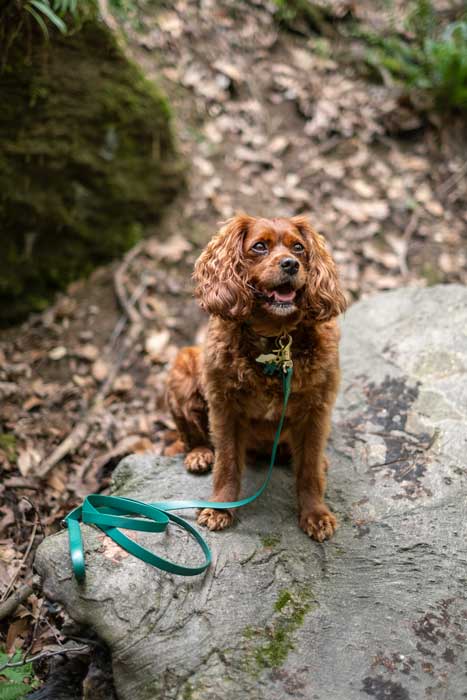
- Biothane collar and leash. Most trails require a leash. I prefer biothane gear because it’s lightweight, waterproof, and super easy to clean, especially after muddy, wet hikes, or if you have a water dog. Loki loves swimming, and biothane gear makes it super easy to maintain.
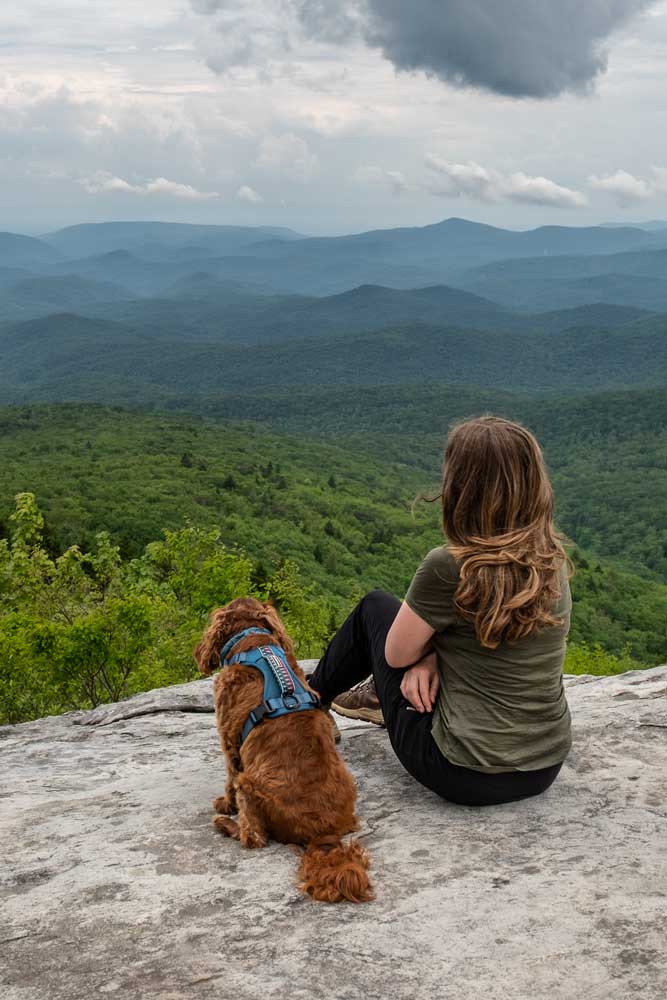
- Harness with a handle. Choose a well-fitting harness that doesn’t put pressure on your dog’s neck. I always go for one with a handle because it’s incredibly helpful on hikes with elevation gain or tricky terrain where you might need to assist your dog. A handle can also help you quickly guide or lift your dog out of a tricky situation when picking them up isn’t easy.
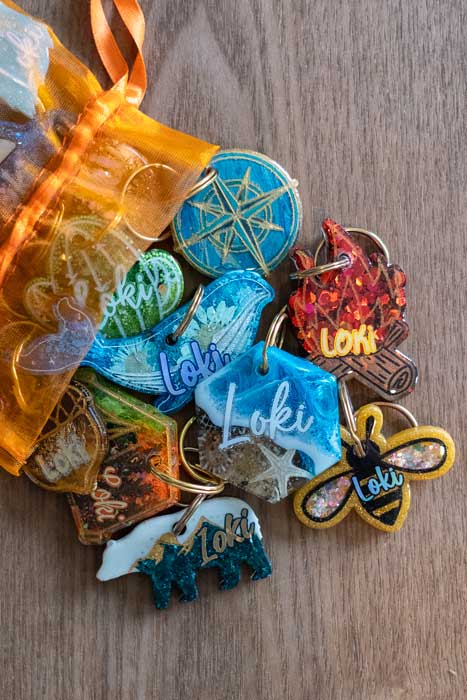
- ID tag. In case you get separated, an ID tag is essential. I include all the important information, including Loki’s name, my phone number, and sometimes even my partner’s phone number and Loki’s microchip number. My current favorite is a resin ID tag. They’re lightweight, waterproof, and don’t make noise. Metal tags tend to be heavier and constantly jingle.
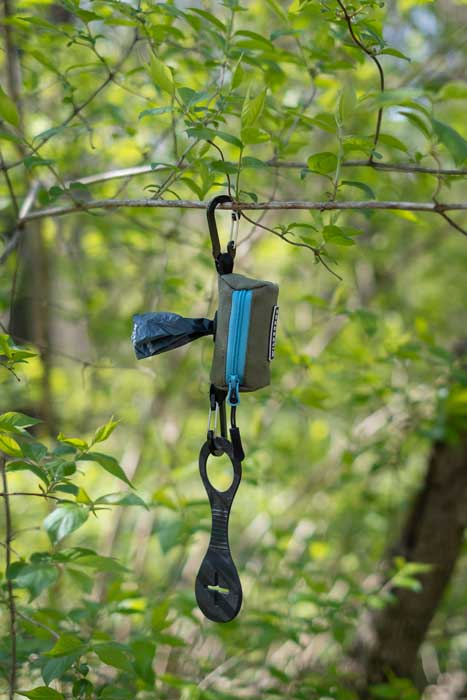
- Poop bags + hands-free waste carrier. Always follow Leave No Trace principles when hiking. This includes your dog. Always clean up after your dog and be prepared to carry it out. For longer hikes, I use a poop bag carrier. It’s a carrier for your dog’s waste, so you don’t have to carry it in your hand. It might sound like a small thing, but it makes a huge difference on longer trails. I didn’t realize how annoying carrying a used poop bag would be until I started hiking longer trails. This clips to Loki’s leash, and I continue hiking hands-free.
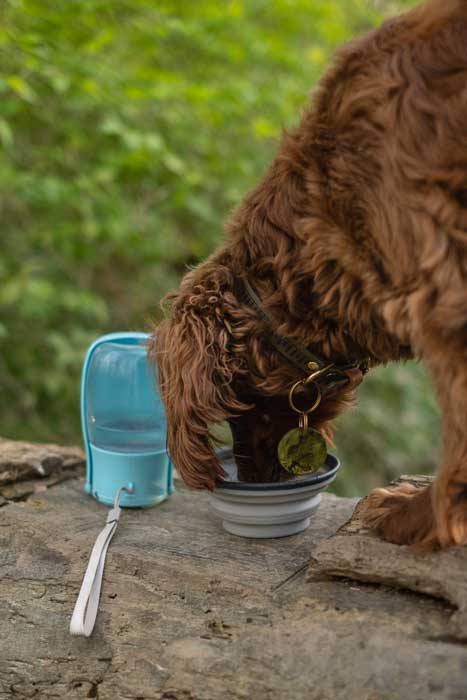
- Water + bowl. Your dog needs to stay hydrated, especially on exposed trails or warmer days. I usually carry a water bottle just for Loki along with a collapsible bowl, especially on longer hikes.
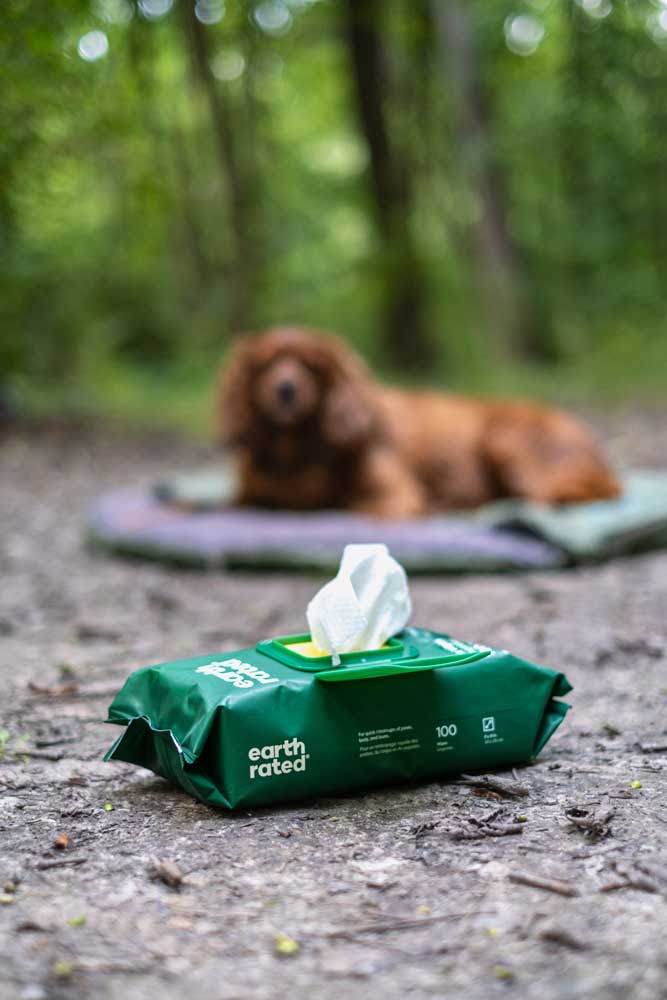
- Wipes. Wipes are great for muddy paws, dirty bellies, or those unfortunate moments when your dog decides to roll in something nasty and smelly.
My Go-To Hiking Essentials
Biothane Leash and Collar
- Brand I use: Sunny Tails
- Why I chose it: There are lots of great biothane brands, but I’ve been especially happy with Sunny Tails. It’s a small women-owned business that offers a variety of colors, lengths, widths, hands-free leashes, and long lines. I’ve been using several of their leashes for years, and they’ve held up incredibly well despite countless muddy hikes and swims.
Harness
- Brand I use: Wilderdog
- Why I chose it: I specifically wanted a harness with a sturdy handle in case I need to help Loki navigate steep or rocky sections of trail. After trying several harnesses, Wilderdog has been my favorite because it’s lightweight, breathable, comfortable, and easy to clean.
- Another great option: Ruffwear. I really like how adjustable their hiking harnesses are, but Loki falls between sizes and the harnesses are a little too long for him. If your dog has a different body shape, they’re absolutely worth considering.
Resin ID Tags
- Brand I use: Walkabout Tails
- Why I chose it: I used to use metal tags, but I never liked the constant jingling. Since switching to resin tags, I haven’t looked back. They’re silent, waterproof, lightweight, and have held up through countless hikes and swims. Walkabout Tails is another small women-owned business where I’ve purchased several custom resin tags in different shapes and designs.
PRO TIP. A comfortable harness, leash, water, an ID tag, and poop bags are enough for most beginner-friendly hikes. You can always upgrade your gear as you and your dog spend more time on the trail.
Safety & Trail Preparedness
These are the safety items I always bring. Some of them I hope I’ll never need, but I’d much rather have them and not use them than wish I’d packed them.
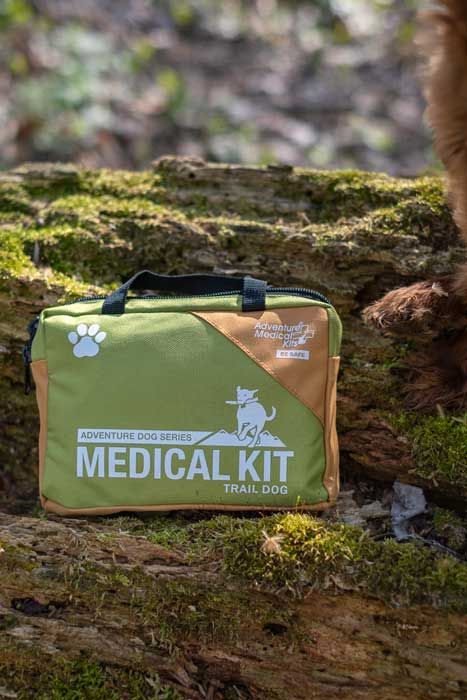
- First aid kit. A basic dog first aid kit can go a long way when dealing with minor injuries on the trail. You can purchase one specifically designed for dogs, and they typically include items like antiseptic wipes, gauze pads, bandage wrap, adhesive tape, saline solution, tweezers, an emergency blanket, and disposable gloves. You may also want to add any prescription medications your dog takes, as well as Benadryl.
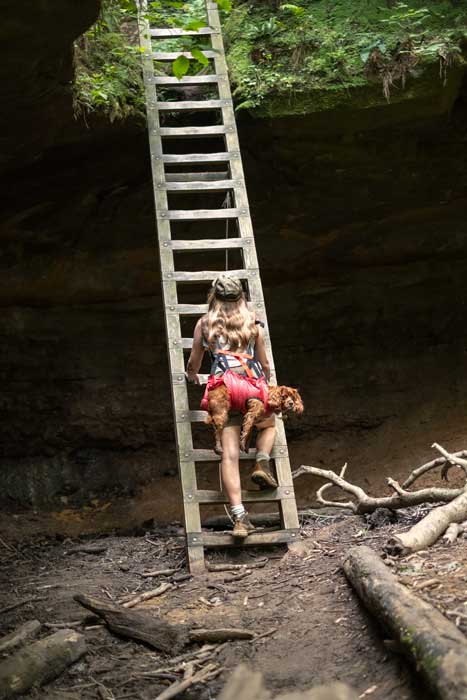
- Rescue sling. Even though Loki is small, I can’t imagine carrying him for miles if he were injured. A rescue sling gives me peace of mind, especially on longer or more remote hikes.
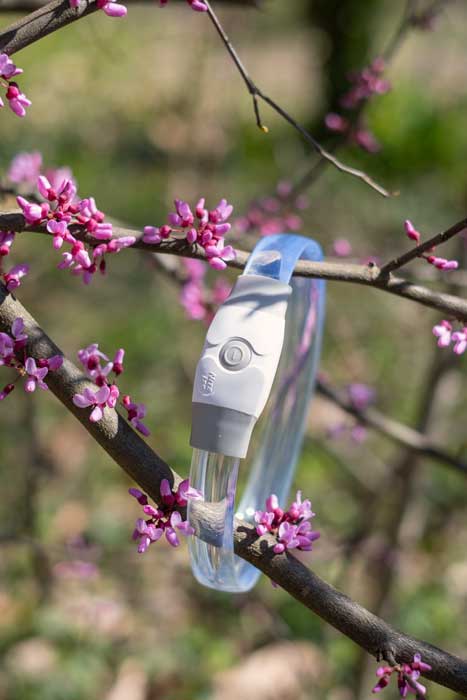
- Light source. If you’re hiking at sunrise, sunset, or even just running behind schedule, a light source is essential. I use a lightweight LED collar, so Loki stays visible.
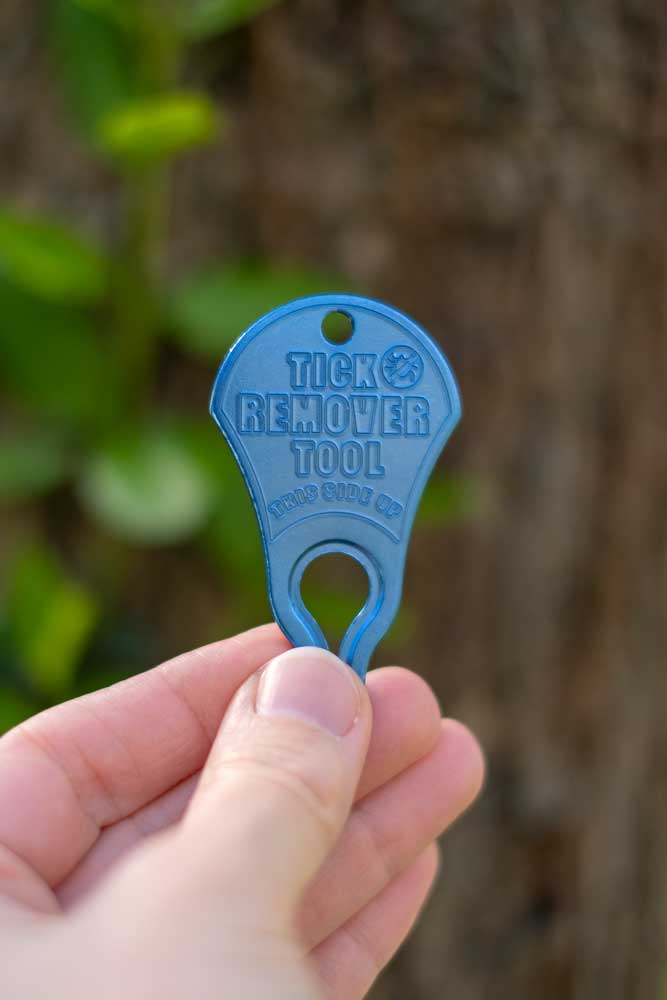
- Tick remover tool. Tick removers aren’t included in standard first aid kits, so I keep one on my keychain. If you hike in the Midwest or East Coast, I consider this a must-have.
- Satellite communicator. Technically not dog gear, but one of the most important safety items I carry. If you’re hiking solo or exploring areas without cell service, it can be a lifesaver. I bring mine on longer, more remote hikes where I know I won’t have a signal.
My Go-To Safety Gear
Rescue Sling
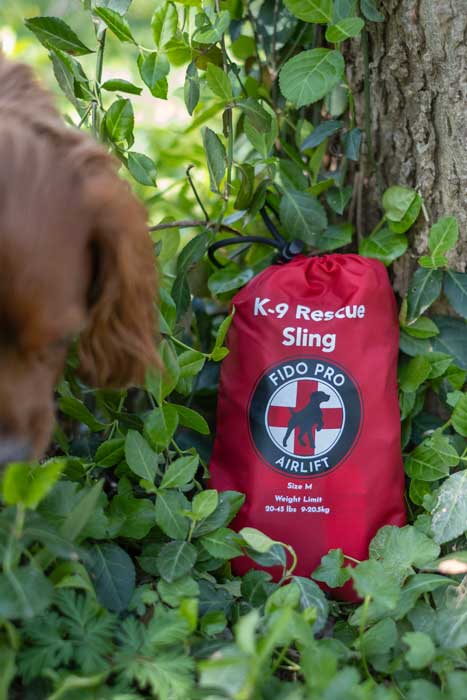
- Brand I use: Fido Pro Rescue Sling
- Why I purchased it: I first bought the Fido Pro Rescue Sling hoping I’d never have to use it. Thankfully, I still haven’t needed it for an injury, but it has earned a permanent spot in my hiking backpack.
- What I use it for: Most people think of a rescue sling only for emergencies, but it can be useful in other situations too. Some “dog-friendly” trails include ladders, steep scrambles, or obstacles that aren’t realistic for every dog to navigate on their own. A rescue sling can also help if your dog becomes exhausted or starts showing signs of overheating. The sling packs down surprisingly small, weighs very little, and gives me peace of mind on longer or more remote hikes.
- Why I chose it: I also love supporting Fido Pro because it’s another small business focused on creating products specifically for adventure dogs.
Satellite Communicator
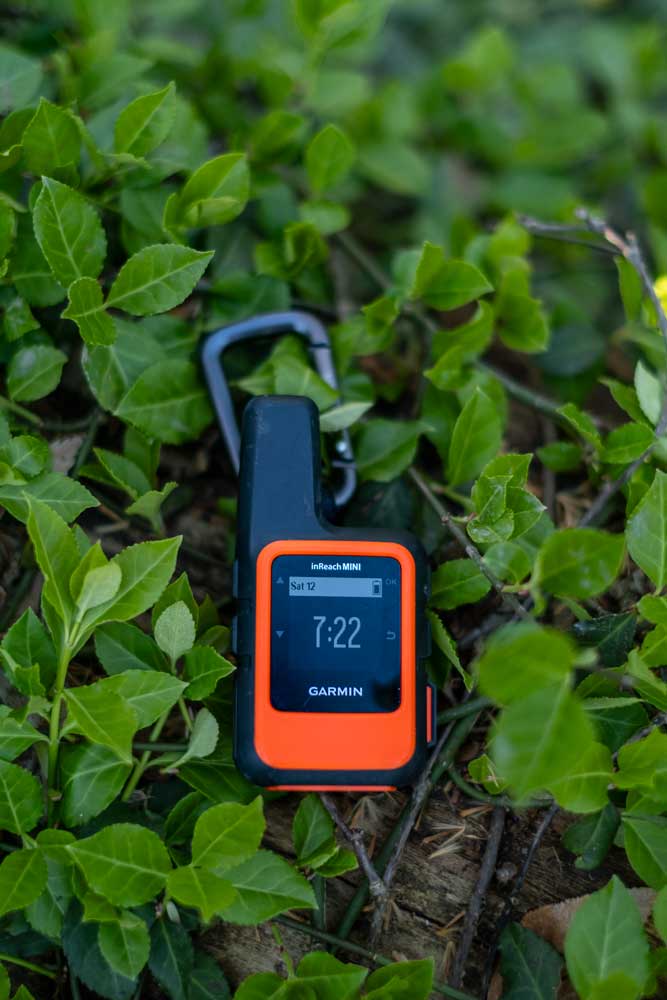
- Brand I use: Garmin inReach Mini 2
- What it is: A satellite communicator lets you send messages and contact emergency services even when you don’t have cell service. Unlike your phone, it connects through satellites, making it invaluable in remote areas.
- Why I chose it: I often hike solo and many of my favorite trails have little to no cell reception. While it’s technically not dog gear, it’s one of the most important pieces of safety equipment I carry. If something happened to Loki or to me, I can still contact help.
- Good to know: A satellite communicator requires an active subscription plan to send messages and use SOS features. I think it’s well worth the cost for anyone who frequently hikes in remote areas, but it may not be necessary if you primarily stick to popular trails with reliable cell service. You can always pause your subscription when not actively using the device.
Food & Energy
Hiking burns a lot more energy than a normal walk, especially on longer hikes or trails with lots of elevation. Keeping your dog fueled can help them stay happy and energized throughout the day.
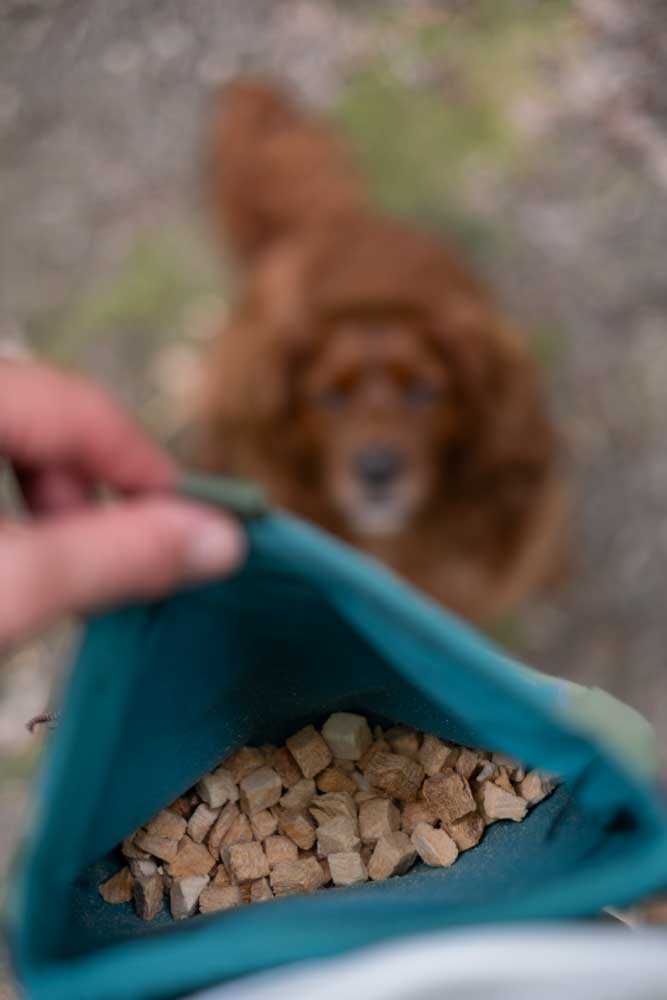
- Treats. I always bring high-value treats for recall, training, and rewarding good behavior. I prefer to use single-ingredient freeze-dried protein, but any high-value treats that your dog likes will work. For training and rewarding good behavior on the trail, I usually pack freeze-dried chicken treats because they’re lightweight, easy to carry, and one of Loki’s favorite high-value rewards.
- Treat bag. A waist-worn treat bag makes a huge difference. I can grab treats quickly without digging through my backpack, which is especially helpful when I want to reward Loki immediately.
My To-Go Trail Snack
Treats
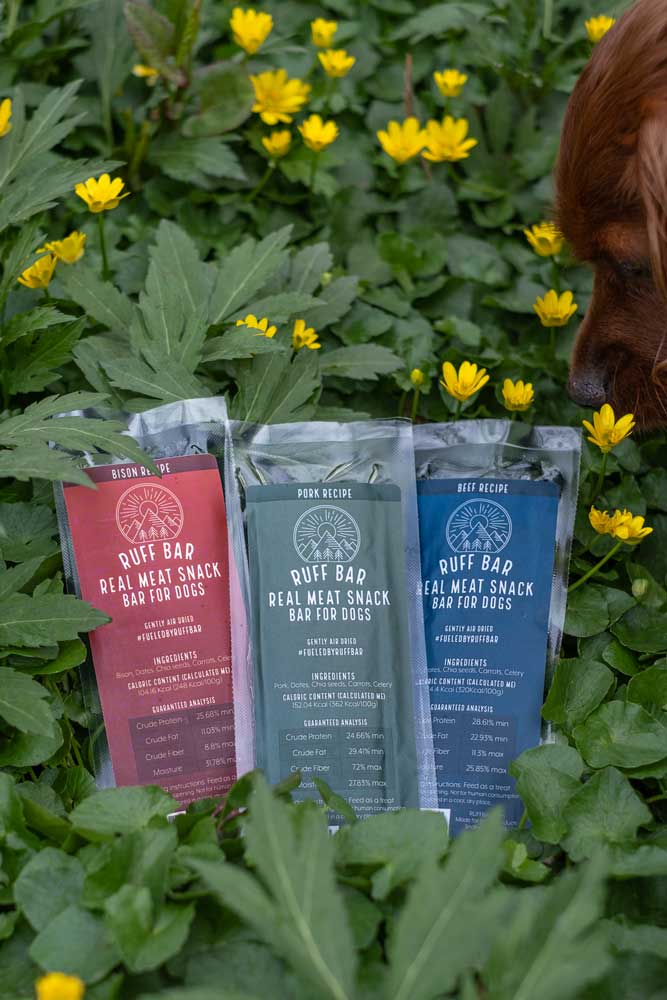
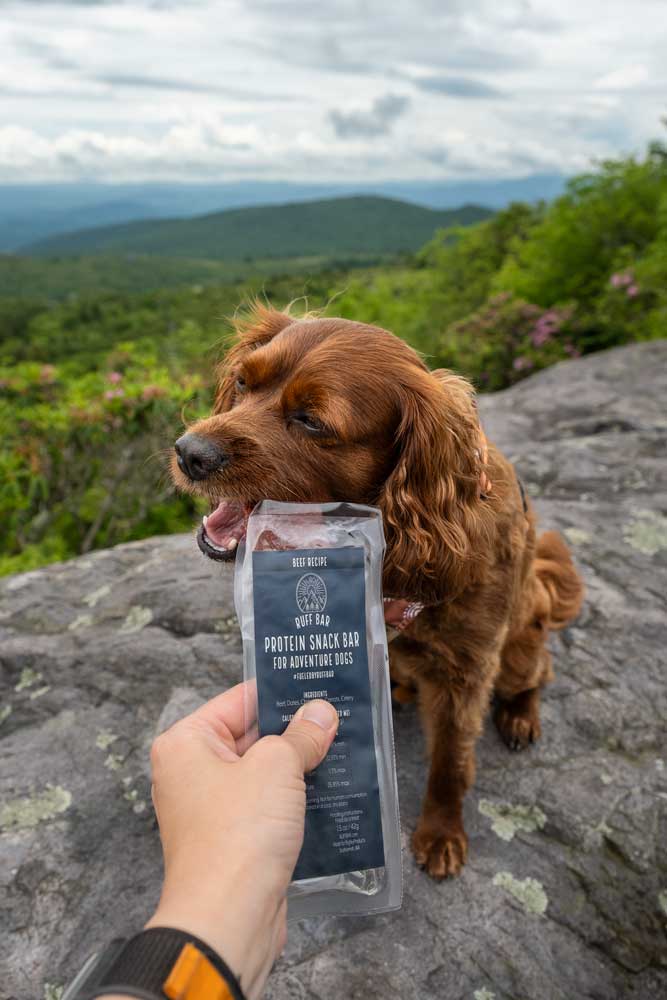
- Brand I use: Ruff Bars
- Why I chose it: I discovered Ruff Bars a year ago, and they’ve become my go-to hiking snack for Loki. They’re made by a small, women-owned business using just four simple organic ingredients and come individually wrapped, making them incredibly easy to toss into my backpack. They’re the perfect size for the trail and provide a little extra energy on longer adventures. Most importantly, Loki absolutely loves them.
Weather & Terrain Gear
What you pack here really depends on the season, trail conditions, the weather, and your dog’s breed. Not every hike requires this gear, but it’s good to have on hand when conditions call for it.
- Cooling gear (bandana, vest, or harness). On hot days, I use cooling bandanas. I prefer Lycra because they are lightweight, quick-drying, and easy to pack, but any bandana will work. For hotter conditions or longer hikes, a cooling vest or cooling harness can help regulate your dog’s body temperature more effectively.
- Clothing. Depending on the weather, I’ll pack a raincoat, a waterproof overall for muddy trails, or a fleece or insulated coat for colder days.
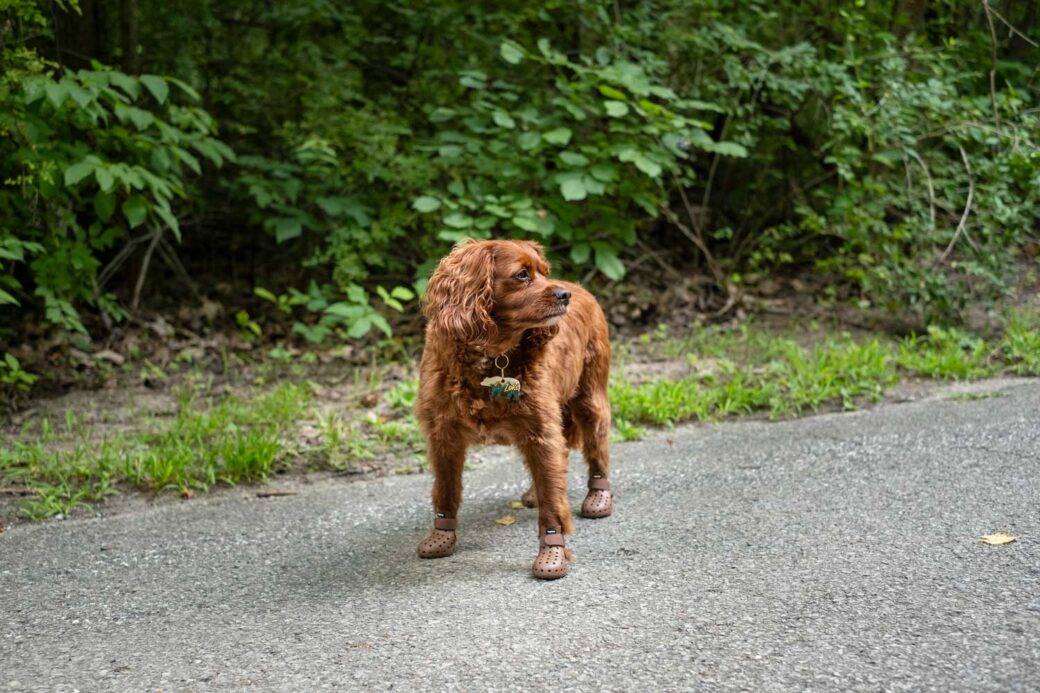
- Boots. Helpful for rocky terrain, rough trails, snow, or freezing conditions. They also protect your dog’s paws from hot rocks, pavement, and other surfaces that heat up quickly during the summer.
- Paw balm. If your dog isn’t used to boots, paw balm can be a great alternative for protecting their paw pads from rough terrain and changing weather conditions.
PRO TIP. Don’t feel like you need to buy everything right away. Most dogs won’t need boots, cooling gear, or special clothing for every hike or sometimes not at all. Start with the basics and add weather-specific gear as your adventures become longer, more challenging, or take place in different seasons.
My Go-To Gear for different weather conditions
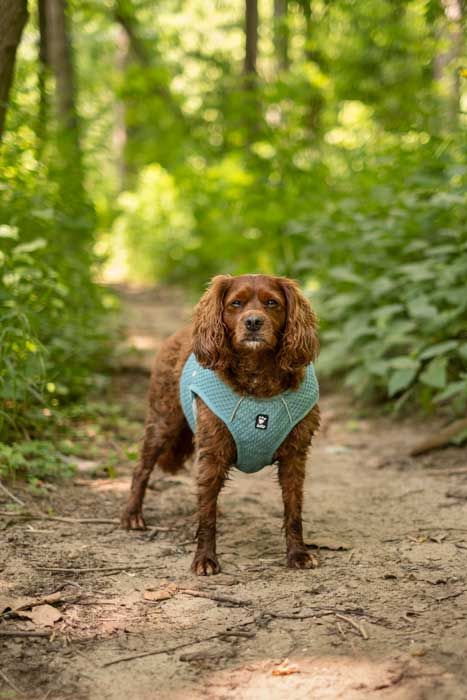
One of the biggest challenges I’ve run into as a small dog owner is finding outdoor gear that actually fits. Many companies design for medium and large dogs first, leaving smaller breeds somewhere between sizes. Over the years, Hurtta has become one of my favorite brands because their gear consistently fits Loki well and holds up to our adventures.
Cooling Wrap
- Brand I use: Hurtta
- Why I chose it: I’ve been experimenting with the Hurtta Cooling Wrap on longer summer hikes, and it definitely helps keep Loki cool. You simply soak it in water, wring out the excess, and put it on your dog. Since Loki can’t resist jumping into every creek or lake we pass, he naturally reactivates it throughout the hike.
- Another great recommendation: I also tested the Ruffwear cooling harness because I love the idea of combining a harness with cooling technology. Unfortunately, just like their regular hiking harnesses, it was simply too long for Loki’s body. If your dog has a different build, it’s definitely worth considering.
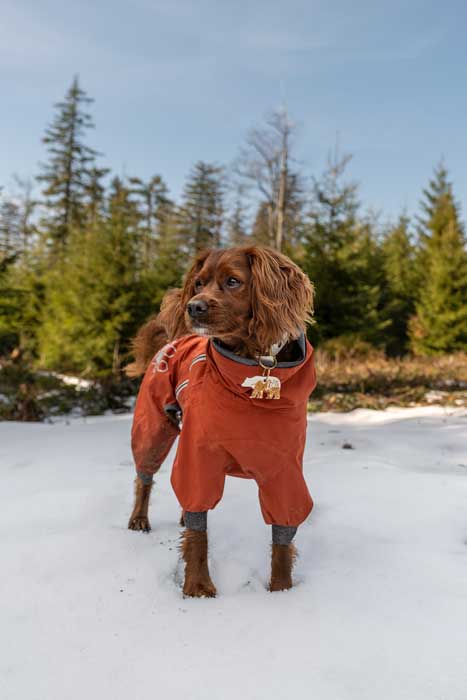
Mudventure ECO Overall
- Brand I use: Hurtta
- Why I chose it: Out of all the clothing Loki owns, this is probably the item we use the most. If I know we’ll be hiking through mud, this is the first thing I pack. It’s lightweight, waterproof, and keeps most of the mud, sand, and burrs out of his coat, which means far less cleanup afterward and a much cleaner car ride home. If your dog has long or curly fur like Loki, it’s an absolute game changer.
Boots
- Brand I use: WagWellies Mojave
- Why I chose it: Finding boots that actually stay on has probably been the biggest challenge of all the gear we’ve tested. We tried several brands before finding a pair that fit Loki’s tiny paws and stayed secure. We’re currently testing WagWellies Mojave boots, and so far they’ve been the best fit. They’re lightweight, breathable, and have stayed on much better than anything else we’ve tried. They’ve been especially useful on hot rocks, pavement, and other surfaces that can quickly heat up in the summer.
- Another great recommendation: I really wanted the Ruffwear Grip Trex boots to work because they’re made by a trusted outdoor brand, and several of my friends swear by them. I also like that you can buy them in sets of two since many dogs have smaller back paws than front paws. Unfortunately, even the smallest size didn’t stay on Loki’s feet, especially his back paws.
Paw balm
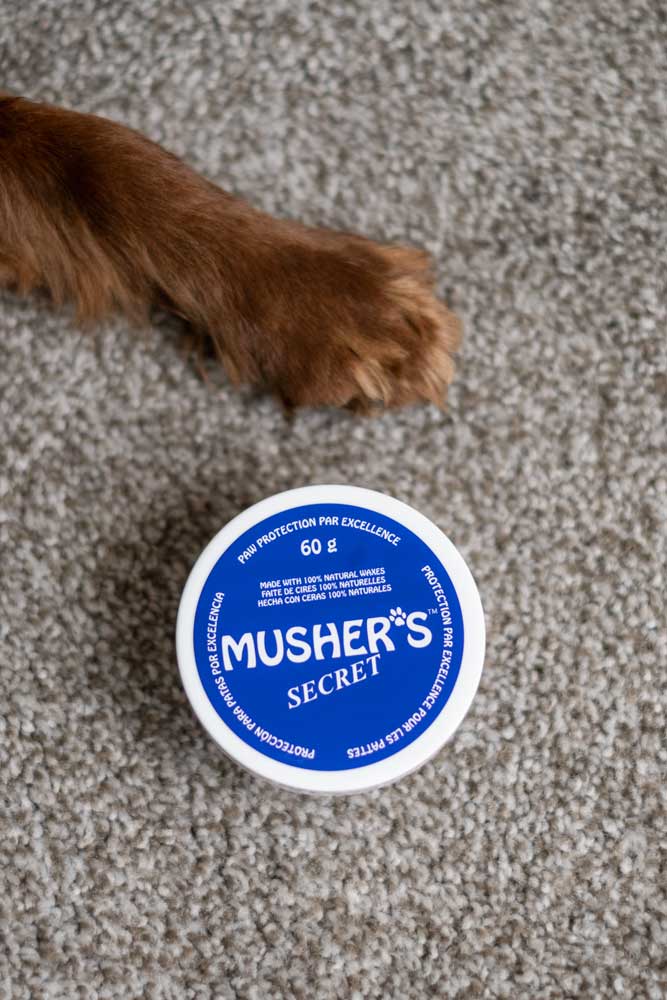
- Brand I use: Musher’s Secret Paw Wax
- Why I chose it: Loki has a habit of trying to lick anything I put on his paws, so finding a paw balm that actually stays on long enough to do its job took some trial and error. Musher’s Secret has worked well for us and helps protect his paw pads from rough terrain and changing weather conditions.
Trail Extras (Depending on the Hike)
These aren’t always necessary, but they can be nice to have depending on the trail, your dog’s experience, and the type of adventure you’re planning.
- Hands-free leash. A hands-free leash can be really helpful on longer hikes or when you want your hands free for balance, especially on uneven terrain. It’s not for everyone, though. It works best if your dog already walks well on a leash and isn’t pulling constantly.
- Long leash. I don’t recommend using a long leash while hiking since most trails in the U.S. require dogs to be on a leash no longer than 6 feet. However, long lines are fantastic for training and giving your dog some controlled freedom in appropriate places. For example, if you stop at a dog-friendly beach or another open area after your hike, a long line lets your dog explore while still staying safely under your control.
- Dog backpack. Great for longer hikes and larger breeds so you don’t have to carry their gear. This is especially handy for larger breeds. Loki is a little guy, and I typically carry his hiking essentials.
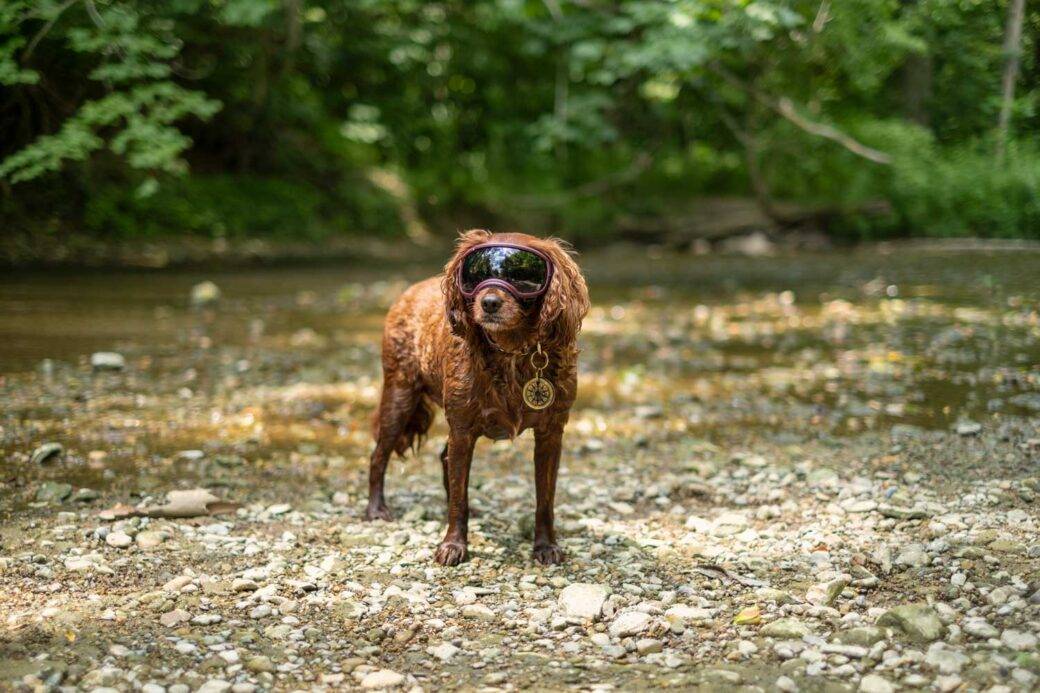
- Rex Specs. These are dog goggles that provide eye protection from sun, wind, dust, and debris. They’re especially useful in open environments like mountains, deserts, or beaches. They come with both clear and smoke lenses, and both provide UV protection.
- Activity tracker/GPS. These devices typically attach to a dog’s collar and are used for real-time location, activity, and health tracking. I don’t personally use one because I have a small dog and I don’t need an additional weight on his collar nor a monthly subscription. Additionally, Loki typically doesn’t leave my side, so I don’t have to worry about him running off even if he’s off leash. Still, I wanted to mention them so you know they’re an option.
Nice to Have (But Not Always Necessary)
- Spare leash: It is always good to have a backup in case yours breaks.
- Blanket or mat for breaks: Especially handy for small breeds that might feel uncomfortable lying on the ground. Loki always prefers the ground anyway.
- Brush (especially for long-haired dogs): Brushes are great for brushing out dirt, burrs, and loose fur after your hike. It can also help you spot ticks that may be crawling through your dog’s coat.
- Tick Spray/Tick Mitts: If you’re hiking in areas known for ticks, consider using a tick spray before your hike and checking your dog afterward with Tick Mitts. I’ve used the Wondercide tick spray, and it actually works. My only complaint is that I don’t love how it leaves Loki’s coat feeling, but I’d absolutely use it again in areas with heavy tick activity. Tick Mitts are exactly what they sound like: mitts that you wipe over your dog’s fur (and even your own clothing) to help find and remove ticks.
What I Skip
Overpacking makes hikes harder for both of us.
- Too many toys. You could bring a ball or floating toy if you’re planning to spend time in the water, but I usually don’t bother because Loki would much rather play with sticks he finds along the trail.
- Any gear my dog isn’t used to. Always test new gear before taking it on a hike. The trail isn’t the place to discover that a harness rubs, boots won’t stay on, or your dog refuses to wear something.
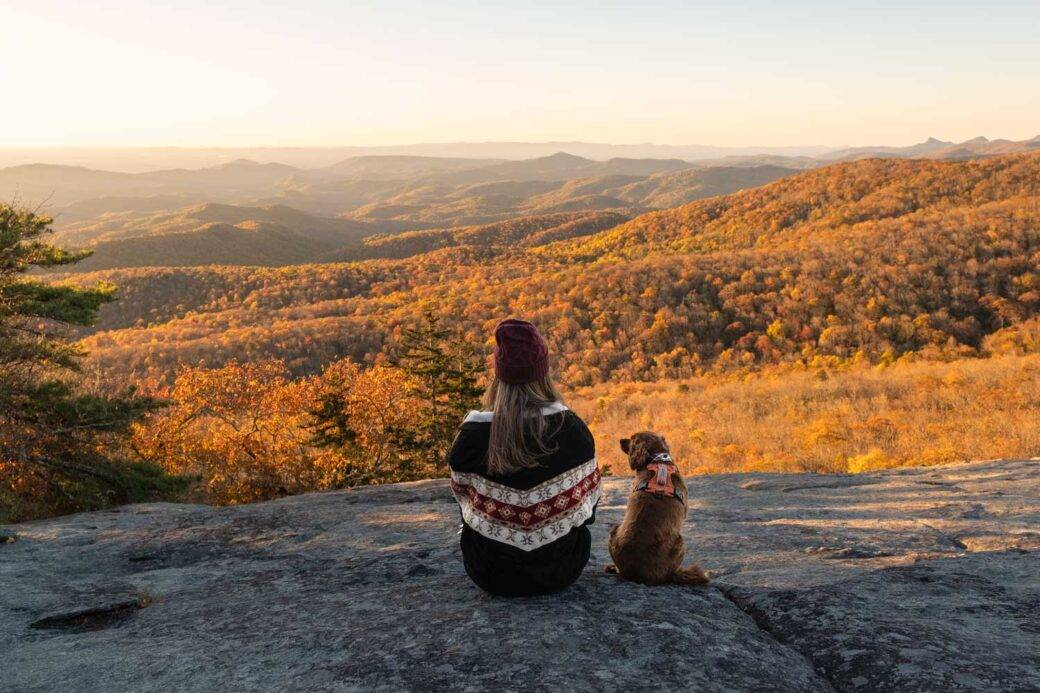
PRO TIP. Every dog is different, and what works for Loki may not be the perfect fit for your adventure buddy. Start with the basics, get outside, and you’ll quickly figure out what works best for both of you.
A few tips for hiking with dogs to get you started
- Always verify that the trail is dog-friendly. Do your research ahead of time, as not all trails are dog-friendly, and some have seasonal restrictions.
- Download a copy of a trail map. I often hike solo, and in remote areas, so I always download an offline map before arriving at the trailhead. Even if you expect to have cell service, it’s better to be prepared.
- Follow Leave No Trace principles. Always clean up after your dog and pack out their waste. While some trails provide poop bags, many don’t, so it’s best to bring your own.
- Always follow leash laws. Keeping your dog leashed helps protect wildlife, other hikers, and your dog. It also helps ensure our parks remain dog-friendly for everyone.
- Pay attention to your dog’s body language. If your dog starts slowing down, panting excessively, refusing to continue, or seems unusually tired, it’s time for a break or to turn around.
- Avoid overheating. During warmer months, hike early in the morning or later in the evening whenever possible. Choose shaded trails, bring plenty of water, and look for opportunities for your dog to cool off safely.
- Check your dog after every hike. Inspect their paws, ears, and coat for ticks, foxtails, grass awns, tree sap, thorns, or anything else that may have become lodged in their fur or skin. The hazards you encounter will vary depending on the season and where you’re hiking.
- Always make sure someone knows where you’re hiking and when you expect to be back, especially if you’re heading out solo. It’s a simple habit that can make a big difference if something goes wrong.
Overall
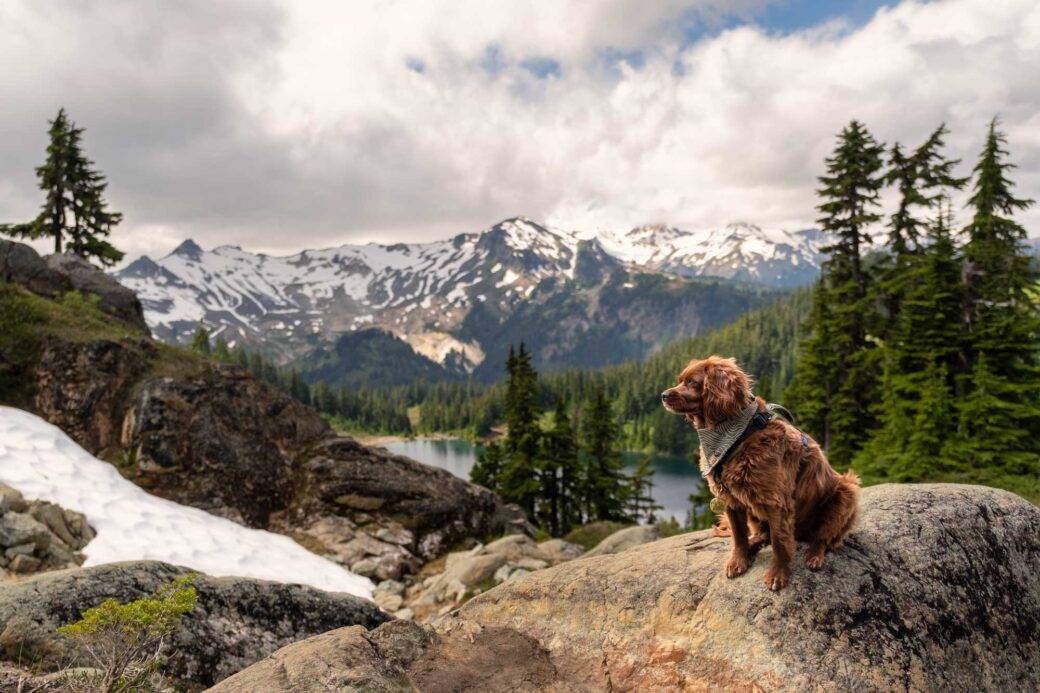
Hiking with your dog doesn’t have to be complicated, but being prepared makes every adventure safer and more enjoyable for both of you. Over time, you’ll figure out what works best for your dog, your hiking style, and the types of trails you love exploring. I hope this dog hiking checklist will serve as a helpful resource to get you started.
Remember, you don’t need every piece of gear before hitting your first trail. Start with the basics, spend time outside together, and add to your hiking kit as you gain experience. I’ll continue updating this guide as Loki and I discover new gear and products we genuinely love, so feel free to check back before your next adventure.


No comments